As votes are cast and counted, the U.S. steel industry closely watches this consequential election, knowing that each candidate’s policies could reshape the sector’s economic and operational landscape. Heavily influenced by trade policies, environmental regulations, taxation, and labor costs, the steel sector is awaiting a signal that could alter production, pricing, and industry sentiment.

Here’s a pulse on industry perspectives as uncertainty over economic strategies weighs heavily on the sector.
The “Trump Bump”: Expectations of Immediate Price Surge
A southern distributor notes a sense of optimism surrounding a potential Republican victory, predicting an immediate price increase of up to $100 per short ton if Trump’s policies return. “I have heard from multiple sources that if the election results favor the Republicans, we could see a significant price uptick,” he remarked, referencing an industry preference for Trump’s market-driven approach. However, he tempered his optimism with caution—immediate impacts may be limited, but buyer sentiment is likely to strengthen as Trump-aligned policies favoring U.S. manufacturing gain traction.Taxation and Trade: Diverging Economic Strategies
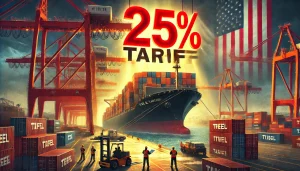
Several industry insiders anticipate significant changes if Trump regains office, particularly concerning trade tariffs and tax policies. A West Coast trader highlights Trump’s aggressive tariff strategy, contrasting him sharply with his opponent, Kamala Harris. “Trump has made some bold statements about overhauling tariffs and income tax. While he can’t singlehandedly implement these changes, his pro-tariff stance is a marked contrast to Harris’s more diplomatic approach.” Trump’s 2018 tariffs on steel imports, a protectionist measure applauded by many U.S. steel producers, are top of mind as the industry assesses the candidates’ impact on domestic production.
Trump’s corporate tax cuts, set to expire, are also pivotal. “Corporate tax would increase without spending cuts, impacting all of us,” observed a northeastern distributor. The sector is wary of the potential expiration of these cuts under a Harris administration, with some predicting a drop in the stock market, and by extension, corporate revenues. “I don’t think [Harris] is a strong leader,” he added, echoing industry concerns over perceived vulnerabilities in the Biden-Harris economic plan.
Environmental Regulations: Resentment of “Swiss Cheese” Policies
A flat steel producer criticized the softened Section 232 tariffs under Biden’s administration, claiming exclusion requests “made it look like Swiss cheese.” Trump’s tariffs, a cornerstone of his trade policies, limited imported steel to protect U.S. jobs—a stance many industry players favor. Should Trump regain office, a revitalization of these tariffs could buoy domestic steel production, though it might prompt retaliatory tariffs affecting other U.S. exports.

Environmental regulations, often seen as burdensome by industry insiders, are also in the spotlight. “Elimination of regulations that burden the country with EVs, solar, etc., would lower energy costs,” said a northeastern distributor. A return to Trump’s deregulatory agenda could reduce compliance costs for energy-intensive industries like steel.
A Cautious Optimism or Potential Stagnation?
Amid cautious optimism, some stakeholders remain pragmatic about the potential for immediate market shifts. “I don’t think the election will have a huge immediate transformative impact,” said a tubular goods producer, underscoring that while election results may bolster sentiment, tangible changes in sales could take time to materialize. A midwestern distributor observed near-stagnant activity, comparing it to the “week between Christmas and New Year’s.” He speculates that post-election buyer confidence could trigger panic buying if inventory levels fall short of eventual demand.
Calls for Stability Amid Economic Uncertainty
For others, the election’s stakes feel existential, with democracy itself in question. “We are living in a time reminiscent of pre-World War I and World War II—democracies versus autocracies,” remarked a southeastern distributor, who views the election as a battle for the country’s economic direction. For some, this urgency goes beyond industry ramifications, reflecting the deep ideological rift dividing the nation.
For now, steel industry participants anxiously await the final results. As futures markets in hot-rolled steel nudge upward, many in the sector keep a close eye on Washington. “Regardless of the outcome, the market could really use a healthy rally,” said a southwestern distributor. This collective hope for a stronger economy is tempered by a stark recognition: the political climate, much like the steel industry itself, remains steely, competitive, and unpredictable.