
Key Takeaways:
- The Mining Regulatory Clarity Act 2025 seeks to restore legal certainty for domestic mining on federal lands.
- The bill responds to a 2022 court decision that disrupted long-standing mining practices.
- U.S. remains highly dependent on foreign sources for critical minerals—posing national security risks.
- The legislation enjoys bipartisan support and could advance within larger legislative packages.
- Environmental groups voice concerns, but the bill does not expand access to protected lands.
Congress Reintroduces Mining Regulatory Clarity Act 2025 to Strengthen U.S. Mineral Independence
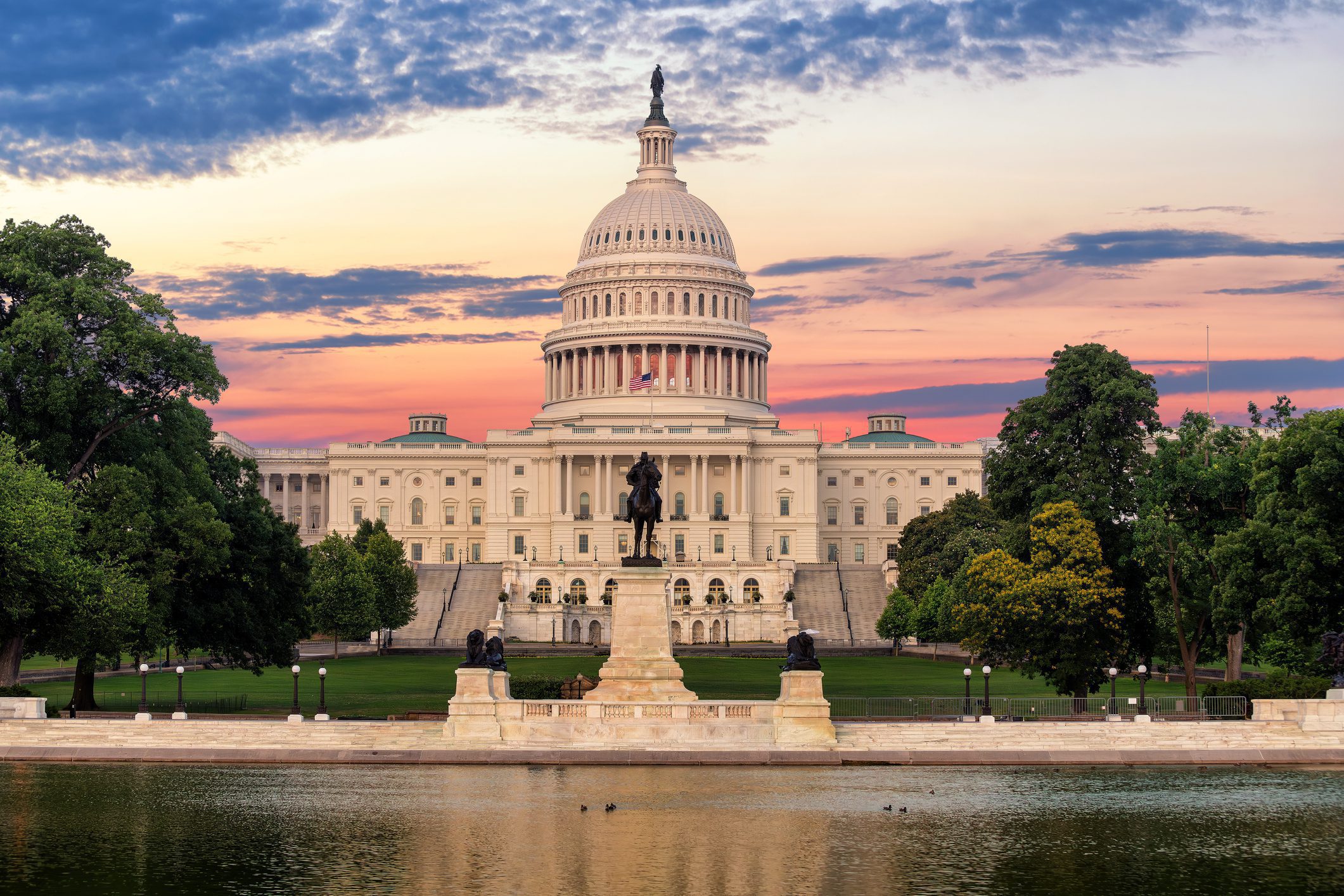
The Mining Regulatory Clarity Act 2025 is gaining bipartisan traction on Capitol Hill as lawmakers respond to growing concerns over U.S. dependence on foreign mineral imports. On February 12, Senators Jim Risch (R-ID) and Catherine Cortez Masto (D-NV) reintroduced the bill in the Senate. At the same time, Representatives Mark Amodei (R-NV) and Steven Horsford (D-NV) advanced the House version.
Lawmakers are moving early in the 119th Congress to push the bill forward, framing it as a national security imperative. The proposed legislation seeks to reverse legal confusion stemming from a controversial 2022 court decision and restore clarity for mining projects on federal lands.
“The bipartisan Mining Regulatory Clarity Act is key to ensuring the U.S. can use our vast resources to build the essential mineral supply chains we know we must have,” said Rich Nolan, president and CEO of the National Mining Association.
Why the Mining Regulatory Clarity Act 2025 Matters
The Mining Regulatory Clarity Act 2025 addresses legal uncertainty caused by the Center for Biological Diversity v. U.S. Fish and Wildlife Service ruling in 2022. That decision overturned 150 years of precedent by disrupting miners’ ability to maintain necessary operations on public lands.
Supporters argue the court’s interpretation made it far more difficult to conduct responsible mining in the U.S., undermining the country’s strategic efforts to produce critical minerals domestically.
More Read

Importantly, the proposed law does not permit or expand mining activity on protected lands such as national parks or previously withdrawn areas. It focuses solely on reestablishing legal clarity under the General Mining Law of 1872.


Growing National Security Risks from Mineral Dependence
According to the U.S. Geological Survey’s Mineral Commodity Summaries 2025, the United States remains fully import-dependent on 12 key minerals and over 50% import-reliant on 31 others. Many of these materials, including lithium, cobalt, and rare earths, are crucial for clean energy technologies, electric vehicles, and defense systems.
China continues to dominate the global supply of these minerals. The U.S. faces elevated risks to national security and supply chain resilience if it fails to secure domestic sources.
“There’s no energy transition without minerals, and no mineral security without domestic production,” said Morgan Bazilian, director of the Payne Institute at the Colorado School of Mines.
Bipartisan Support and Strategic Timing
Despite failing to pass in the previous session, the early reintroduction of the Mining Regulatory Clarity Act 2025 signals stronger momentum in 2025. The bill cleared the House and a key Senate committee in 2024, but time ran out before final passage.
This session, lawmakers are positioning the legislation for inclusion in larger national security or appropriations packages. Its narrow focus and bipartisan backing improve its chances of success.
Critics remain concerned. Environmental advocates worry that streamlining access to federal lands for mining could increase industrial activity in ecologically sensitive areas—even if the bill doesn’t directly authorize it.
“Clarity should not come at the expense of oversight,” said Taylor McKinnon, a senior campaigner at the Center for Biological Diversity.
Still, lawmakers backing the bill insist it upholds environmental protections while removing legal barriers that block critical mining investments.
What’s Next for the Mining Regulatory Clarity Act 2025?
The push to pass the Mining Regulatory Clarity Act 2025 reflects a larger shift in U.S. policy—away from global mineral dependence and toward domestic self-sufficiency. Mining companies, national security officials, and energy leaders all see the measure as a first step in fixing a broken system.
Permitting a new mine in the U.S. can take seven to ten years, far longer than in peer countries like Australia or Canada. While this bill doesn’t reform the full permitting process, industry advocates view it as a foundational move.
For Congress, passing this legislation is a clear opportunity to act on national security concerns while promoting domestic resource development. Whether it reaches the President’s desk this year may depend on how tightly it is tied to broader legislative vehicles.