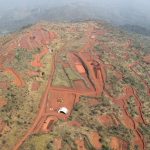
According to the CEO of Rwanda Mines, Gas, and Petroleum Board (RMB), the mineral reserves in Rwanda hold an economic potential of approximately Rwf186 trillion ($150 billion). This significant value can be unlocked through the utilization of modern exploration and exploitation methods.

During The Long Form, a weekly podcast of The New Times, Yamina Karitanyi delved into the current state of the mining sector.
Contrary to popular belief, Rwanda is not a resource-poor country, as stated by her. This misconception may arise from comparing Rwanda to its larger neighboring countries. However, it is important to note that Rwanda does possess valuable mineral resources.
In the context of African countries’ historical experiences, there has been a tendency to overlook a crucial aspect of the sector, namely the exploration phase. However, it is during this phase that one gains the necessary knowledge and confidence to accurately assess the available resources.
In light of the high costs and inherent risks associated with exploration, it has historically been an unappealing investment opportunity. However, the institution has diligently gathered exploration data dating back to 1968, instilling confidence in the existence of substantial reserves throughout the country, with an estimated value of $150 billion.
Related News
- Std 2.0 and Exploration, Development & Processing – IRMA
- Woodcross Resources uses Minespider platform to track all tin from operations in Uganda
- Mainstream Renewable Power reaches financial close on 97.5 MW solar PV farm with corporate PPAs in South Africa
- ABB examines how to decarbonize steel, highlights global innovation
- Sibanye-Stillwater says hydrogen catalyst will save iridium market
“We possess verified reserves, indicating the known resources that lie beneath the surface. However, extensive efforts are necessary to access and utilize these reserves effectively.

In the second and third quarter of 2023, Rwanda’s mineral exports generated a substantial revenue of $362 million and $241 million, respectively. These exports encompass a wide range of valuable minerals such as gold, cassiterite, coltan, wolfram, and various gemstones.
Karitanyi emphasized that their export revenues have tripled in the past seven years.
Rwanda’s National Strategy for Transformation (NST1) includes a provision specifically targeting the growth and expansion of the mining sector, with the ultimate goal of significantly increasing exports. As part of this initiative, it is projected that the proportion of mineral exports to total exports will rise to 49.6% by 2024, a notable increase from the 32.9% recorded in 2017.
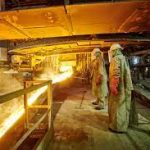
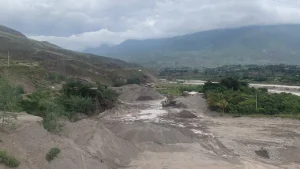
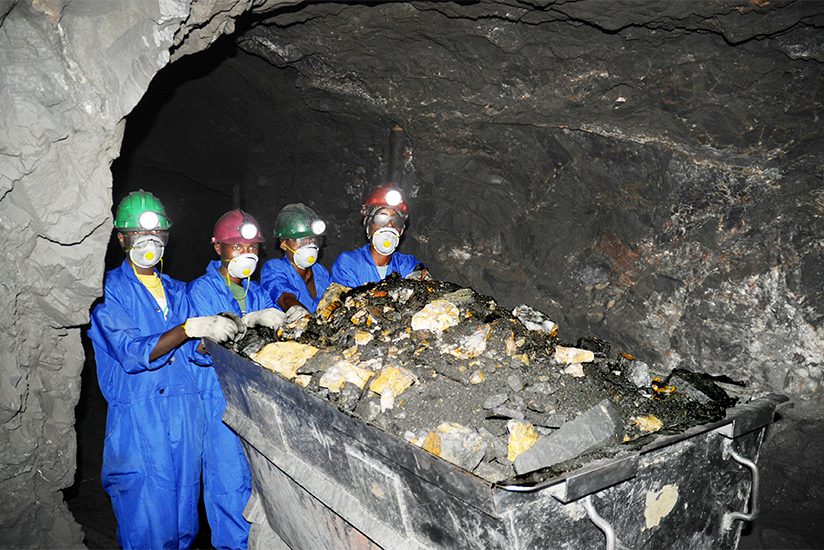
Despite advancements in technology, the industry continues to grapple with a restricted capacity for exploration and extraction. Outdated equipment and techniques remain prevalent, posing significant hazards to both safety and environmental preservation.
According to the institution, artisanal extraction methods result in a significant loss of minerals, with only 20 percent being successfully recovered, thereby impacting productivity on the ground.
Karitanyi announced that mining techniques are being enhanced to improve the extraction of minerals. The implementation of mechanical processing techniques has significantly increased the recovery rate, allowing miners to retrieve a minimum of 40 to 45 percent of minerals.
Financial Sector Urged to Take Action
In addition, Karitanyi urged financial institutions to extend their financing options to the mining industry, even in the face of associated risks.
In the current banking landscape, the lack of value associated with mining reserves poses a significant challenge for financial institutions when engaging with miners and considering loan provisions. The absence of suitable instruments within the banking sector to cater specifically to the mining industry further exacerbates these difficulties.
In a significant development, the mining institution is making substantial progress in reducing the risks associated with the sector. Their efforts involve conducting comprehensive surveys to identify and assess the mineral resources present in various concessions, along with estimating their potential value and projected revenue. As a result, miners will soon have the opportunity to utilize their mining licenses as collateral when seeking capital from banks. This initiative aims to facilitate easier access to funding for miners and promote growth in the mining industry.