Key Takeaways

- The Resolution Copper Mine in Arizona is the largest undeveloped U.S. copper deposit, valued at $270 billion.
- It could supply up to 25% of U.S. copper demand, critical for electric vehicles, grids, and renewable energy.
- Development has been stalled for more than 20 years due to permitting delays, tribal land disputes, and environmental lawsuits.
- The mine’s footprint overlaps Oak Flat, sacred land to the San Carlos Apache Tribe, sparking major legal challenges.
- Even with federal support, commercial production is unlikely before the 2030s due to engineering complexity and processing constraints.
Superior, Ariz. — Beneath the Arizona desert east of Phoenix lies the Resolution Copper Mine, a deposit large enough to meet a quarter of U.S. copper demand for years. Two decades and $2 billion in, not a single ounce has been mined.
Owned by Rio Tinto Group and BHP Group, the Resolution Copper Mine contains an estimated 28 million metric tons of reserves and resources — roughly $270 billion at today’s prices. Federal officials have placed it on the government’s critical minerals list, citing its potential to strengthen U.S. supply chains for electrification and infrastructure.
Why the Resolution Copper Mine Faces Unprecedented Legal Challenges
The project has become a case study in America’s mining bottlenecks. The average U.S. mine takes 29 years from discovery to production, according to S&P Global, and the Resolution Copper Mine is already past 20.
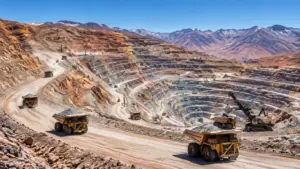
At the center of the dispute is Oak Flat, a mesa transferred to the companies by Congress in 2014. The San Carlos Apache Tribe regards the land as sacred, using it for ceremonies, rites of passage, and prayer gatherings. The U.S. Forest Service projects that mining could create a crater nearly two miles wide and more than 1,100 feet deep.
More Read

In a Supreme Court filing, the tribe warned the pit would “end sacred Apache rituals forever.” The court declined to hear the case in May, a win for the miners. But lawsuits from the tribe and environmental groups remain active, targeting water use and land impacts.

Engineering the Resolution Copper Mine: Depth, Heat, and Complexity
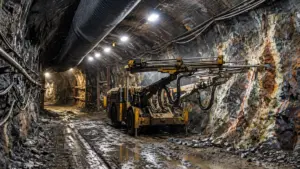
The ore body sits more than a mile underground, where rock temperatures can reach 175 degrees Fahrenheit. The Resolution Copper Mine will rely on block-caving — a method that fractures ore from below and lets gravity bring it down to collection points.
In early years of exploration, heat limited workers to hour-long shifts. Today, massive cooling units and ventilation systems allow extended underground work. Even with modern infrastructure, commercial production is unlikely before the 2030s.
More Read
The Economic Stakes of the Resolution Copper Mine Project
The stakes are global. Analysts at CRU Group estimate a 7.5 million ton annual copper shortfall by 2035 without massive new investment. Copper is critical for electric vehicles, renewable energy, and grid modernization — all sectors where the U.S. faces growing import dependence.
Yet the U.S. has limited refining capacity. Much domestic concentrate is shipped to Asia for processing, adding cost and supply risk. A recent decision to exempt refined copper from tariffs keeps U.S. smelters at a competitive disadvantage, potentially weighing on the Resolution Copper Mine’s economics even if built.
Cultural and Environmental Opposition to the Resolution Copper Mine
Opponents cite more than sacred land. Environmental advocates warn the mine will consume huge amounts of water during a historic drought and destroy recreational value in the area.
“Bottom line — the project is not worth the risk any way you look at it,” said Roger Featherstone, director emeritus of the Arizona Mining Reform Coalition.
What Comes Next for the Resolution Copper Mine
If legal challenges fail, Rio Tinto and BHP could take possession of Oak Flat as early as this month. That would open the way for tunnel expansion, ventilation upgrades, and installation of power and communications systems before large-scale blasting begins.
For now, the Resolution Copper Mine remains both a symbol of America’s vast mineral wealth and of the political, legal, and cultural barriers that define modern U.S. resource development.