By Penny Langford

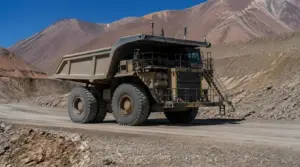
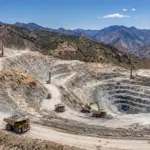
The transition to fully electrified mining operations has moved past the experimental phase. As of June 2026, major tier-one operators are no longer debating the viability of electric fleets; they are now managing the logistical complexities of site-wide deployment. Driven by the twin pressures of volatile diesel prices and stringent Scope 1 emission mandates, the industry is witnessing a fundamental shift in how mines are designed and operated.
Historically, the high capital expenditure (CAPEX) associated with battery-electric vehicles (BEVs) and trolley-assist infrastructure was a significant barrier. However, 2026 data indicates that the total cost of ownership (TCO) has tipped in favor of electric systems. With energy costs for electrified operations dropping by as much as 70% compared to diesel-based systems, the operational expenditure (OPEX) savings are becoming impossible for CFOs to ignore.
The OPEX Advantage: Energy and Maintenance
The primary economic driver for electrification in 2026 is the dramatic reduction in energy consumption and maintenance overhead. Electric motors are inherently more efficient than internal combustion engines, converting over 90% of energy into motion compared to approximately 30-35% for diesel engines.
Recent industry reports show that maintenance costs for electric fleets are significantly lower due to the simplicity of the powertrain. An electric truck has roughly 20% of the moving parts found in a diesel equivalent, eliminating the need for complex transmissions, cooling systems for engines, and frequent fluid changes. This translates to higher machine availability and reduced labor costs in the workshop.
| Operational Metric | Diesel Haulage (Baseline) | Electric Haulage (2026 Data) | Net Impact |
|---|---|---|---|
| Energy Cost per Tonne | $1.00 | $0.30 – $0.45 | 55-70% Reduction |
| Maintenance Intervals | 250 – 500 Hours | 1,000+ Hours | 100% Increase in Uptime |
| Drivetrain Lifespan | 15,000 – 20,000 Hours | 30,000+ Hours | 50% Reduction in Replacement CAPEX |
| Ventilation Requirements | High (Underground) | Low (Underground) | 40-50% Savings in Power |


Underground Operations: The Ventilation Factor
While open-pit mines benefit from fuel savings, underground operations are seeing even more profound gains. In deep-level mining, ventilation is one of the single largest line items in the OPEX budget. Traditional diesel engines emit heat and particulate matter that require massive volumes of fresh air to be pumped thousands of meters underground.
By switching to BEVs, operators eliminate tailpipe emissions and significantly reduce the heat load. According to 2026 analysis from The Intelligent Miner, underground mines can achieve ventilation power savings of 40% to 50% by electrifying their primary haulage and loading fleets. These savings often pay for the premium on electric equipment within the first three to five years of operation.
Furthermore, the reduction in noise and vibration improves the working environment for personnel, which has a secondary but measurable impact on safety and employee retention. Companies like Sandvik and Epiroc have reported record orders for electric loaders and drill jumbos in the first half of 2026, signaling that the "underground electric revolution" is now the standard for new project developments.

Decarbonization and the Net-Zero Mandate
The mining sector is responsible for approximately 7-8% of global carbon emissions. To meet 2030 and 2050 targets, the industry must achieve an 85% reduction in CO2e intensity. In 2026, electrification has emerged as the most viable pathway to these targets.
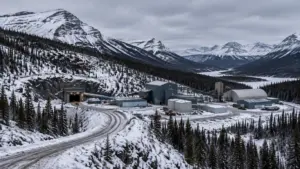
Case evidence from the Copper Mountain Mine in Canada illustrates the scale of potential impact. By installing electric trolley-assist systems for their hybrid haul trucks, the operation cut haulage emissions by nearly 90% on electrified segments. At a site level, this single initiative reduces approximately 9,400 tonnes of CO2e annually.
When paired with renewable energy sources: such as on-site solar farms in Western Australia or hydroelectric power in British Columbia: the carbon footprint of a mine can be virtually eliminated. This is increasingly critical for miners producing battery metals like lithium and copper, as downstream manufacturers (particularly in the EV sector) are demanding "low-carbon" or "green" minerals to satisfy their own ESG requirements.
For more on the interplay between mineral supply and the energy transition, see our analysis on the Rare Earths Supply Chain 2026.
Infrastructure: The 2026 Bottleneck
Despite the clear benefits, the transition is not without challenges. The primary hurdle in 2026 is infrastructure. Retrofitting a traditional mine for electrification requires significant grid upgrades, the installation of high-capacity charging stations, and, in many cases, the implementation of trolley-assist lines.
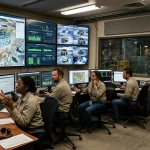
Managing the "load" of a fleet of 300-tonne electric trucks requires a sophisticated control room capable of balancing energy demand across the site. Real-time data integration is no longer optional; it is the "brain" of the modern electric mine.

"The time for hands-on testing is over," noted industry experts at The Electric Mine 2026 forum in Lisbon earlier this year. The focus has shifted to grid stability and "resilient power." If a charging network fails, production stops. This has led to an increase in partnerships between mining OEMs and global energy technology firms like Hitachi Energy and ABB to create "mine-ready" microgrids.
Strategic Implications for Investors and Operators
For investors, the electrification of a mine is a key indicator of long-term asset quality. Mines with high degrees of electrification are better insulated from diesel price volatility and carbon taxes, which are expected to rise globally throughout the late 2020s.
Operators who delay the transition risk being caught with "stranded assets": diesel fleets that are too expensive to run and too carbon-intensive to meet regulatory standards. We are already seeing a divergence in valuations for companies that have committed to full electrification versus those that are lagging. This trend is a major focus in our Daily Skillings Mining Intelligence Newsletter June 3 2026.
The shift is also impacting the demand for specific commodities. The massive amounts of copper and nickel required for mine-site electrification infrastructure and BEV batteries are creating a feedback loop of demand within the industry. For a deeper look at market drivers, refer to our report on Mining Stocks: Identifying 2026 Growth and Breakout Drivers.

Conclusion: A New Standard for Mining
As we move through the second half of 2026, electrification has transitioned from a sustainability "nice-to-have" to an operational "must-have." The numbers are clear: a 70% reduction in energy costs, a 90% reduction in haulage emissions, and massive ventilation savings for underground sites.
While the upfront capital remains high, the OPEX benefits and the necessity of meeting ESG mandates make the business case undeniable. The mines that successfully navigate this infrastructure transition today will be the most competitive, low-cost producers of the next decade.
LinkedIn/X Shareable Snippet:
Mine electrification is no longer a pilot project: it’s a margin-saver. New 2026 data shows energy costs dropping by up to 70% as tier-one operators ditch diesel for high-capacity electric fleets. From 90% emission cuts at Copper Mountain to massive ventilation savings underground, the ROI is finally matching the ESG hype. Is your fleet ready for the net-zero mandate? #Mining #Electrification #EnergyTransition #SkillingsMining #ESG #MiningTech