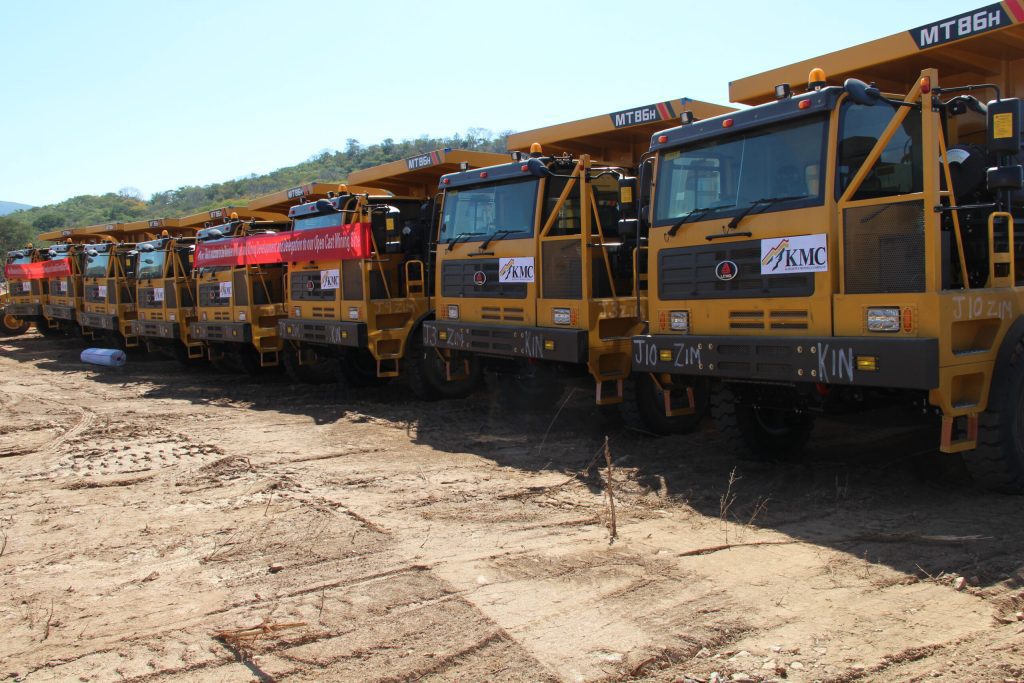
The project is a joint venture between China’s Sichuan Pude Technology Group and the Zimbabwe Mining Development Corporation (ZMDC) and is expected to be commissioned by President Mnangagwa in the first quarter of this year.

The new processing plant can produce 50,000 tons of spodumene concentrate per year, which is then processed into lithium salts. The power station will initially rely on Hwange’s 33kV power line, but there are plans to build 88kV power lines in the future. The company also built a dam to ensure reliable water supply to the plant.
The reopening of the Kamativi mine is expected to boost economic growth and create jobs in the region. The mine’s closure in 1994 left the town a ghost town, but its revival brought new hope.
Lithium is set to become Zimbabwe’s third-largest mineral export after gold and platinum group metals as demand for the mineral increases from the emerging electric vehicle industry. Kamativi’s lithium deposit is expected to generate significant revenue for the country, estimated to be worth $2 billion.
In addition to lithium, the Kamatiwi Mine also contains tantalite, beryl, copper, beryllium, spodumene, lucite and limestone deposits that can be economically exploited. The mine’s reopening is part of efforts to diversify Zimbabwe’s mining industry and attract foreign investment.
More Read

The northern province of Matabeleland is expected to become one of the largest lithium producers in the country. The reopening of Kamativi Mine as a lithium mine is an important step towards achieving this goal and will contribute to the country’s economic development.