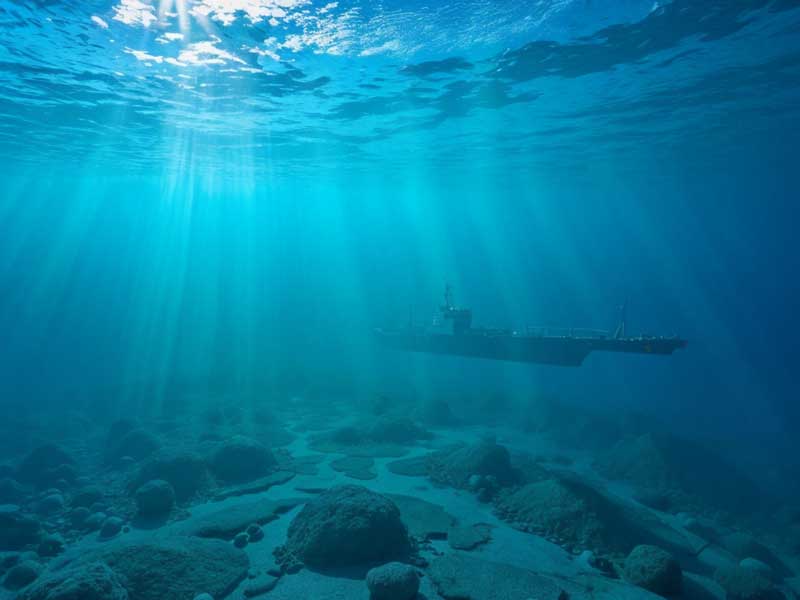

Negotiations to finalize regulations for deep-sea mining have recently resumed under the International Seabed Authority (ISA), a United Nations body responsible for regulating the ocean floor. Amidst the increasing attention from companies in the clean energy sector and the worries expressed by environmental groups regarding the potential harm to ocean ecosystems, this decision has been made.
International Seabed Authority’s Role in Deep-Sea Mining
Opinions on the ISA’s efforts have been varied. Advocates assert that deep-sea mining plays a vital role in acquiring crucial minerals such as cobalt, nickel, and rare earth elements that are indispensable for renewable energy technologies and electric vehicles. However, critics caution that mining activities may disrupt delicate marine habitats, resulting in lasting ecological repercussions.
You Might be Interested In
- Political Divide Deepens Over Hawaii’s Deep-Sea Mining Ban
- Congress Greenlights Funding for Deep-Sea Mining, Eyeing Critical Minerals
- Deep-Sea Mining Battle Intensifies as Greenpeace Faces Expulsion from UN Body
The ISA Assembly, with representatives from 168 member states, is currently discussing the conditions for mining operations to move forward. Recent discussions have brought attention to the contrasting views among nations regarding the utilization of seabed resources. Some countries are enthusiastic about exploiting these resources, while others advocate for a temporary halt until stronger environmental safeguards are established.
Environmental Concerns and Deep-Sea Mining
The small Pacific island nation of Nauru has been instrumental in expediting discussions, highlighting the economic advantages. Meanwhile, African nations, which heavily rely on terrestrial mining, have expressed their concerns regarding the speed and transparency of the negotiations.
More Read

In a noteworthy development, the ISA has decided to postpone the issuance of mining permits until 2024, providing stakeholders with additional time to tackle environmental and regulatory challenges. This delay demonstrates the ISA’s careful approach in response to the close attention it is receiving from environmentalists and the scientific community.