Greenland’s Prime Minister, Mute Egede, has expressed openness to strengthening ties with the United States, particularly in the Greenland mining sector, while firmly rejecting any notion of U.S. control over the strategically significant Arctic island. His remarks come amid renewed American interest in Greenland’s natural resources and its pivotal role in Arctic diplomacy, highlighting the evolving dynamics of U.S.-Greenland relations.

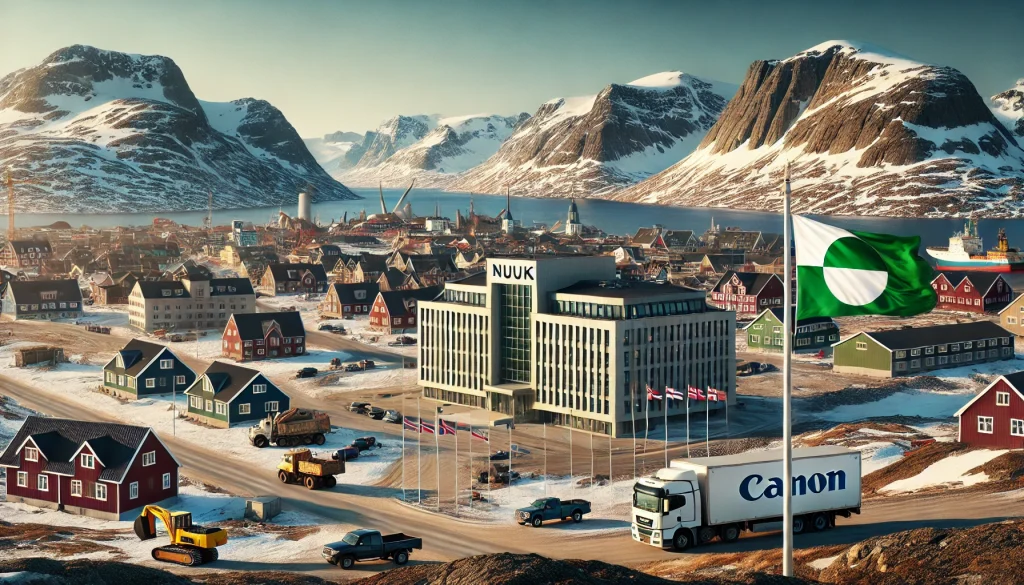
“We need to do business with the U.S.,” Egede stated during a press conference in Nuuk, as reported by Greenlandic broadcaster KNR. “We have initiated dialogue and are seeking opportunities for cooperation with [Donald] Trump,” he added, emphasizing Greenland’s proactive efforts to explore economic partnerships, particularly in mining and resource development.
Related News
- Mining Industry Trends 2025: Navigating a Geopolitical and Economic Gauntlet
- Mine Safety: U.S. Mining Industry Achieves Milestone of No Pattern of Violations
- India Metal & Mining Industry: A Bright Spot Amid Global Stagnation in Commodity Volumes
- Dominga Mining Project Rejected Amid Environmental Concerns
Strategic Assets and Greenland Mining in the Spotlight
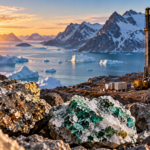
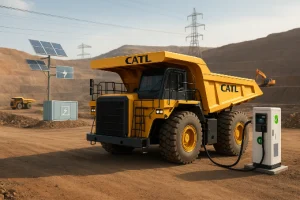
Greenland’s vast natural resources have long attracted international attention, particularly its untapped potential in Greenland mining. The island is believed to hold significant deposits of rare earth elements, critical for technologies such as renewable energy systems and advanced military hardware. However, under current regulations, the exploration of oil and uranium remains prohibited.
Prime Minister Egede highlighted the importance of Greenland mining to the island’s economic development, stating, “Our doors are open in terms of mining.” He reiterated that Greenland is committed to developing its mineral wealth in a way that aligns with its long-term interests and self-determination.
While expressing interest in fostering trade partnerships with the U.S., Egede firmly dismissed any possibility of a U.S. takeover, asserting, “Greenlandic people alone will determine their future.”
This reaffirmation of autonomy comes in response to renewed efforts by some American lawmakers to explore the purchase of Greenland, an idea first proposed by Donald Trump in 2019 and quickly rejected by both Greenland and Denmark. Reports of a draft bill circulating in the U.S. House of Representatives highlight Washington’s continued interest in Greenland, particularly its mining potential and strategic location.

U.S.-Greenland Relations: Military and Geopolitical Ambitions
Greenland’s strategic position in the Arctic makes it a critical geopolitical asset in U.S.-Greenland relations. The U.S. currently operates Thule Air Base in northwest Greenland, the northernmost American military installation, which serves as a vital hub for missile defense and Arctic monitoring. Vice President-elect JD Vance recently underscored Greenland’s importance during a Fox News interview, emphasizing the longstanding U.S. military presence on the island.
Adding to the geopolitical tension, Donald Trump recently suggested that military intervention could be an option to secure Greenland and the Panama Canal—remarks that have sparked alarm among international allies and political observers.
Greenland’s Independence Goals and Economic Aspirations in Mining
Egede’s comments are part of Greenland’s broader push for greater autonomy from Denmark, as the Arctic territory seeks to expand its international partnerships while pursuing independence. Greenland mining is seen as a cornerstone of the island’s strategy to achieve economic self-reliance, with rare earth elements playing a crucial role in securing both economic growth and global relevance.
During a recent visit to Denmark, Egede described Greenland as “entering a new era,” positioning the island as a key player in discussions on climate change, resource security, and Arctic sovereignty. Despite growing U.S.-Greenland relations, Egede emphasized the island’s commitment to self-determination.
“We don’t want to be Danes. We don’t want to be Americans. Of course, we want to be Greenlanders,” Egede declared, reaffirming Greenland’s ambition to chart its own course while responsibly developing its mineral wealth.
The Arctic Resource Race and Greenland Mining
The increasing focus on Greenland mining is part of a broader scramble for resources and influence in the Arctic, a region becoming more accessible due to climate change. Melting ice caps have opened up new shipping routes and revealed previously inaccessible mineral deposits, drawing the attention of global powers like the U.S., China, and Russia.
For Greenland, this resource race presents both opportunities and challenges. While mining and resource development provide a potential pathway to economic independence, they also raise critical questions about environmental sustainability and the risks of exploitation by foreign powers.
Conclusion: Balancing U.S.-Greenland Relations with Independence
Greenland’s efforts to strengthen ties with the United States, particularly in the Greenland mining sector, highlight the island’s growing importance in global geopolitics and economics. However, Prime Minister Egede’s firm stance on independence underscores Greenland’s determination to ensure that any cooperation with the U.S. aligns with its own terms and aspirations.
As U.S.-Greenland relations evolve and Arctic tensions rise, Greenland’s ability to balance economic opportunities in mining with environmental protection and political autonomy will remain a critical story to follow.