Decision underscores Chile’s struggle to balance economic ambitions with ecological stewardship.

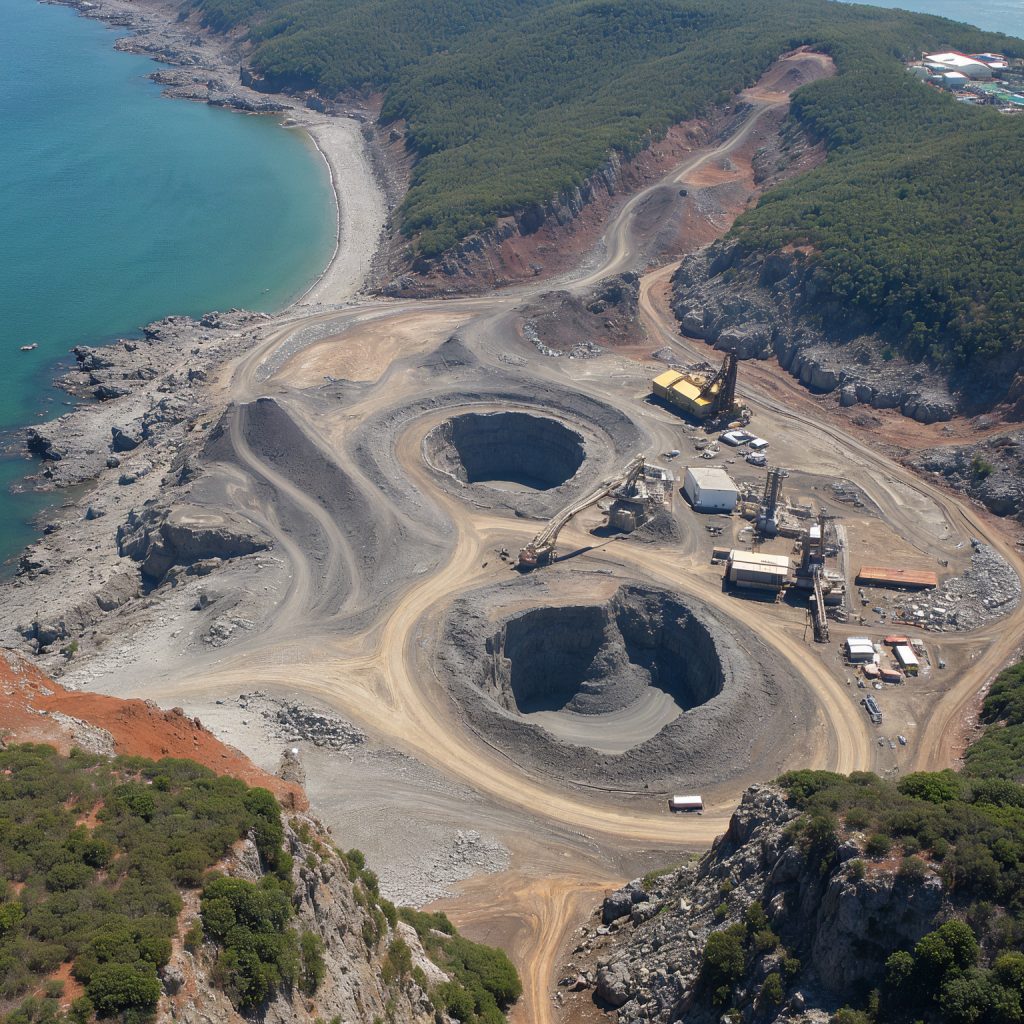
Chile’s government has once again rejected an environmental permit for Andes Iron’s $2.5 billion Dominga mining project, reinforcing a stance initially taken in 2023. The latest decision by the Committee of Ministers, the country’s highest administrative environmental authority, comes after a court-mandated review following a December ruling that deemed the original rejection invalid.
The ruling delivers a significant blow to Andes Iron, which has been pushing the Dominga mining project for nearly a decade. Located near the Humboldt Archipelago, an area rich in biodiversity, the mine has drawn sharp criticism from environmentalists for its potential impacts on endangered species, including Humboldt penguins and the tricahue parrot.
- Rat Hole Mining: A Deadly Practice Claims Lives in India’s Coal Mines
- Global Coal Demand Hits Record in 2024, Set to Plateau Amid Renewable Energy Surge
- Mining Boom Fuels Employment in Sierra Leone, but Gender Gaps Persist
Environmental Impact at the Forefront
The Committee of Ministers cited the region’s unique ecosystem as a key factor in its decision to reject the Dominga mining project. The area is home to endangered species and aquatic mammals such as dolphins, making it a focal point for conservation efforts.
“Given the sensitivity of the ecosystem, the tolerance for risk is minimal,” the committee said, pointing to insufficient mitigation plans for potential fuel and iron concentrate spills. The review also highlighted gaps in Andes Iron’s assessment of the Dominga mining project‘s impacts on local vegetation critical to the endangered tricahue parrot.
Economic Concerns and Industry Backlash
The decision reignites debate over Chile’s approach to mining, particularly the Dominga mining project, a vital venture in the world’s largest copper-producing country. While Chile has positioned itself as a leader in environmental sustainability, critics argue that its regulatory framework creates uncertainties for investors.

“This sends a message that abiding by Chile’s regulatory processes does not guarantee project approval,” said Juan Ignacio Guzman, head of mining consultancy GEM. Guzman warned that the ruling could deter future investment in the sector, undermining confidence in Chile’s permitting system.
The National Mining Society (Sonami) echoed these concerns, with its president, Jorge Riesco, lamenting the missed opportunity to showcase Chile as an investment-friendly destination. “This project met all technical requirements,” Riesco stated.
Andes Iron, which has long argued that the Dominga mining project complies with Chilean environmental laws, announced plans to pursue legal action. “This decision sets a dangerous precedent for the environmental permitting process in Chile,” the company said in a statement, accusing the government of bias against the project.
Balancing Growth and Conservation
Chile’s rejection of the Dominga mining project underscores the tension between economic growth and environmental preservation. Mining is a cornerstone of the country’s economy, yet its ecological footprint has drawn increasing scrutiny.
“The Dominga case exemplifies Chile’s broader challenge: how to attract investment while protecting its unique natural heritage,” said Maria del Pilar Moreno, an environmental policy expert at the University of Chile.
The government’s stance reflects growing public sentiment against projects that threaten biodiversity. Yet the decision also raises questions about how Chile will reconcile environmental protection with its ambitions to remain a global leader in resource extraction, particularly as the demand for copper surges in renewable energy markets.
Looking Ahead
For Andes Iron, the path forward for the Dominga mining project remains uncertain. The company is expected to challenge the decision in court, prolonging a saga that has already lasted nearly a decade. Meanwhile, investors and environmental advocates alike are watching closely, as the Dominga mining project case could set a precedent for future mining projects in Chile.
The Committee of Ministers defended its decision as a necessary step to protect biodiversity and uphold public trust in the environmental review process. But as Chile navigates its dual roles as a mining powerhouse and a steward of ecological treasures, the question remains: Can the nation find common ground?