Exploring the Shift Towards Sustainability in Energy Management and
Renewable Energy Use in U.S. Mining
With more businesses embracing energy management techniques and renewable energy sources, the mining sector—which has long been recognized for its energy-intensive operations—is undergoing an extensive transition. The shift in operations is being influenced by a variety of factors, including economic, environmental, and regulatory considerations, which are driving the sector towards more sustainable practices.

Deloitte reports that energy costs can make up a significant portion of total cash operating expenses for mining companies, potentially reaching up to 30%. However, by implementing effective energy management programs, significant savings can be achieved. According to a report by Deloitte, mines can significantly decrease their energy consumption through various programs. Existing mines have the potential to reduce energy usage by 15-20%, while new mines that prioritize energy efficiency can achieve even greater reductions of up to 50%
Related News
- Cutting Emissions: Innovative Energy Management Strategies in Mining Operations
- Underground Mining Technologies
- Geological Carbon Storage in Response to Increasing Emphasis on Risk Management
- Top 8 Mineral Exploration Phases: From Discovery to Production Decision”
- Mining Tech Trends: AI, Robotics, and ESG Solutions Take Center Stage
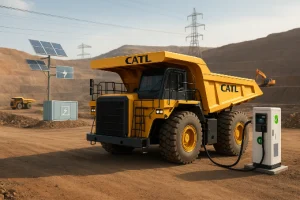
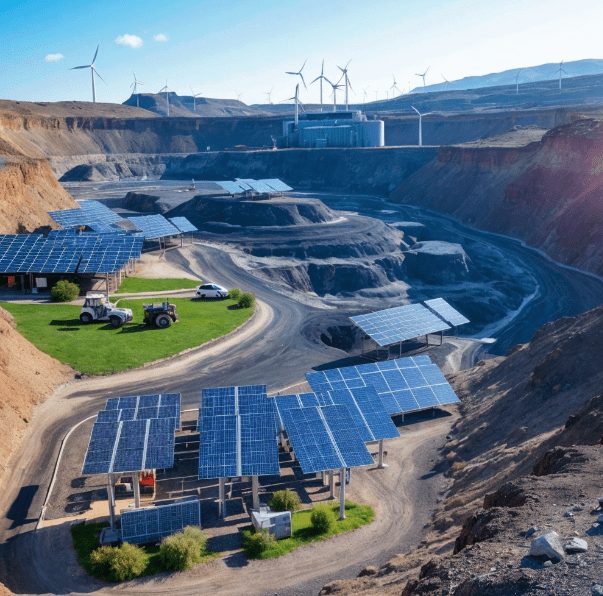
Renewable energy is proving to be instrumental in this shift. Many mining companies are now embracing renewable energy sources such as solar, wind, and hydropower in order to lessen their dependence on fossil fuels and minimize their impact on the environment. This shift not only helps in reducing the environmental impact, but also opens up new job opportunities and encourages the exchange of knowledge in mining areas.
There has been a recent development that sheds light on this trend, involving the U.S. Department of Energy’s Clean Energy Demonstration Program on Current and Former Mine Land. Freeport Minerals Corporation has been chosen to receive $80 million in federal funding for an exciting project. They will be implementing a microgrid, geothermal clean heat, and a battery energy storage system at their copper mining operations in Arizona. This project is focused on generating clean, industrial-scale heat to recover large amounts of residual copper from previously mined material. It aims to showcase how renewable energy can improve sustainability and productivity in the mining sector.
There is a notable project currently taking place in Nevada aimed at reducing carbon emissions in gold mines. Nevada Gold Mines, a partnership between Barrick and Newmont, is currently working on the implementation of solar photovoltaic facilities and battery energy storage systems at three operational gold mines[4]. This initiative aims to significantly decrease mining operations emissions, resulting in a reduction of 3.5 million tons of carbon dioxide throughout the project’s duration. It serves as a model that can be replicated by the mining industry to achieve net-zero operations by 2050.
These projects not only tackle environmental issues, but also make a positive impact on the local economies. The Nevada project, for instance, is expected to generate around 300 full-time jobs during construction, as well as provide opportunities for internships, mentorships, and technical training.

There are numerous advantages to incorporating renewable energy into mining operations. Companies can repurpose former mine lands for clean energy production, which helps prevent the displacement of natural and agricultural land for large-scale solar projects. This approach highlights the positive impact that the mining industry can have on the energy transition, even after mining operations have ceased.
With the increasing global demand for minerals essential to clean energy technologies, it is becoming more and more evident that sustainable mining practices are of utmost importance. The incorporation of renewable energy and energy management strategies in mining operations is a significant milestone in aligning the industry’s economic goals with environmental stewardship and social responsibility.
Although there are still obstacles to overcome, the ongoing transition in the mining sector highlights a growing awareness of the importance of sustainable practices. With the increasing adoption of these strategies, the mining industry is set to make a substantial impact on the global transition towards a more sustainable and energy-efficient future.