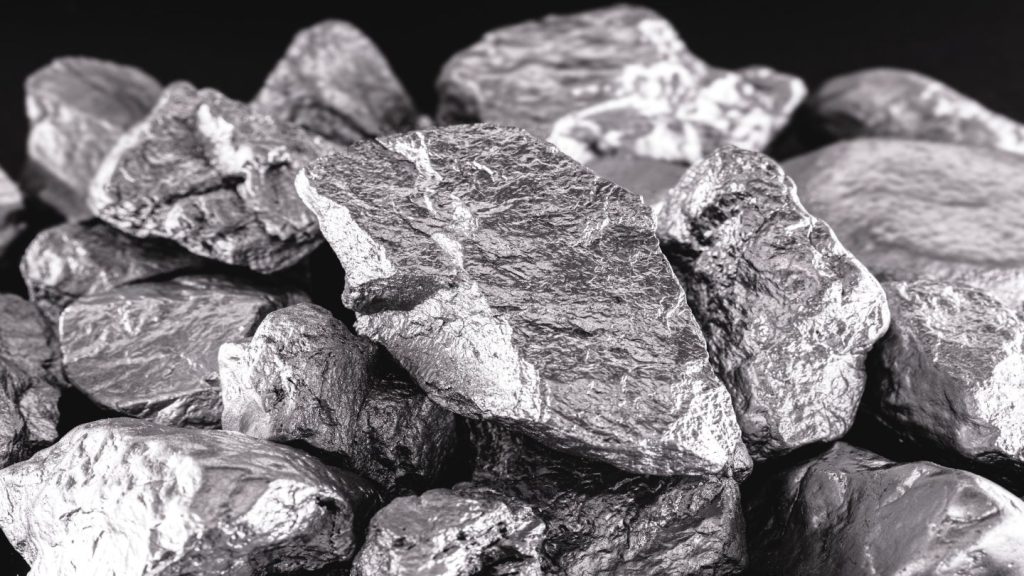
The Democratic Republic of Congo (DRC), the world’s largest producer of cobalt, is weighing an extension of its four-month export ban as prices rebound sharply and the government seeks greater control over the global supply of the strategic metal.

The initial ban, which began in February, was aimed at countering a global oversupply of cobalt, a critical input for electric vehicle (EV) batteries and high-performance electronics. Since the halt, cobalt prices on China’s Wuxi Stainless Steel Exchange have surged by more than 55%, according to official data, prompting DRC officials to consider prolonging the measure.
Government Spokesperson Patrick Muyaya confirmed that the cabinet is reviewing the impact of the ban, noting a more than 50% increase in prices since the policy took effect. President Felix Tshisekedi, through a statement quoted by Muyaya, emphasized the importance of maintaining price stability and outlined plans to evaluate the situation at the end of the current four-month period.
Strategic Supply Control and Market Coordination
The DRC government is also considering the introduction of cobalt export quotas and exploring a potential partnership with Indonesia—another significant cobalt producer—to coordinate supply and influence global pricing. If formalized, such a partnership would mark a significant geopolitical shift in the control of the global cobalt trade, potentially reducing Western influence over critical battery supply chains.
“The DRC is demonstrating that it wants to be more than just a raw material supplier,” said Maria Kuimova, an analyst at Wood Mackenzie. “They are actively seeking pricing power and market leverage.”
Chinese strategic buyers have responded quickly. Cobalt futures in China jumped more than 9% amid rumors of a potential extension of the ban and increased procurement efforts by Beijing. Bloomberg reported that China’s National Food and Strategic Reserves Administration has been bidding for metals including cobalt as part of its broader effort to secure key resources.

Domestic Industry Reforms Target Artisanal Mining
In parallel with export controls, the DRC’s state regulator has introduced new rules that prohibit the mixing of cobalt from artisanal sources with that from industrial mining operations. The move is designed to increase transparency, reduce the risk of illicit trade, and ensure that ethical and traceable supply chains are maintained—critical concerns for downstream manufacturers and EV brands.
The Katanga region, home to the country’s richest cobalt reserves, is a hotspot for both large-scale industrial mining and informal artisanal activities. The new regulations are likely to impact thousands of artisanal miners, potentially altering the labor and supply dynamics in the region.
“It’s a double-edged sword,” said a Kinshasa-based mining consultant who declined to be named. “On one hand, the government is asserting control; on the other, they risk destabilizing livelihoods if alternative income streams are not put in place.”
Major Producers Watch Closely
Global mining giants with operations in the DRC, including Chinese-listed CMOC Group and London-listed Glencore, are closely watching policy developments. CMOC, which operates two major copper-cobalt mines in the country, has already ramped up cobalt output from 56,000 tonnes to around 114,000 tonnes annually, largely as a byproduct of increased copper production.
An extension of the ban could lead to tighter global supply, especially as battery manufacturers in Europe, the U.S., and China accelerate procurement amid the ongoing energy transition.
Market Outlook: Higher Prices, Tighter Supply
Cobalt’s price revival comes after a protracted downturn that saw producers slash output and delay new projects. Analysts suggest that the current rally may sustain if the DRC’s export restrictions remain in place through mid-year and Indonesia signals support for coordinated action.
“The DRC has played its hand well,” said Kuimova. “If they continue this strategy in tandem with other producing nations, we could see cobalt prices remain elevated—and potentially more volatility if buyers rush to secure long-term contracts.”
With global EV sales projected to rise sharply in 2025, supply-side maneuvers by producing nations like the DRC may shape not only market prices but also broader geopolitical alignments around critical minerals.