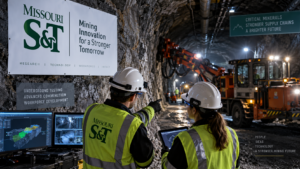
The mining industry, historically reliant on heavy machinery and labor-intensive processes, is undergoing a significant transformation toward digitization. While this shift offers unparalleled efficiencies, it also introduces a critical vulnerability: cybersecurity threats. From ransomware attacks that disrupt operations to the risk of environmental disasters, cyber breaches pose an existential threat to mining companies’ safety, functionality, and reputation.

A Sector at Risk
Modern mining relies increasingly on advanced technologies like artificial intelligence (AI) and the Internet of Things (IoT). These tools enhance operational efficiency but simultaneously expand the attack surface for cybercriminals. Successful cyberattacks can lead to consequences far beyond financial losses, including threats to human safety, supply chain disruptions, and further damage to an industry already scrutinized for its environmental impact.
Cybersecurity challenges in mining are compounded by the convergence of information technology (IT) and operational technology (OT). Unlike IT, which focuses on safeguarding data, OT secures critical physical processes, such as ore crushing and equipment control. Breaches in OT systems can disrupt production or result in catastrophic damage.
Brian Persaud, a cybersecurity manager specializing in mining, highlighted the sector’s lag in addressing vulnerabilities:
“Many mining companies are still playing catch-up when it comes to securing their operational technology. This isn’t just an IT problem—it’s a question of physical safety.”
Related News
- Sayona Mining to Acquire Piedmont Lithium in All-Stock Deal Amid Market Consolidation
- BHP Warns of Rising Low-Cost Competition, Challenges for Australian Mining Sector
- Metso Rebrands Sustainability Initiative to Metso Plus, Doubling Down on Customer-Centric Solutions
- Deep-Sea Mining Risks Over $560 Billion in Export Earnings, Report Warns
Talent and Leadership: Building Cyber-Resilient Teams
Skilled talent forms the first line of defense in cybersecurity. However, the mining industry faces challenges in attracting professionals capable of navigating the intricacies of IT and OT environments.
More Read

Jose Mendez, a seasoned mining executive, remarked:
“Cybersecurity expertise in OT systems is a niche skill set. We need specialists who understand not just technology but also the operational realities of mining.”

Leadership also plays a pivotal role in establishing a robust cybersecurity culture. Without strong executive support, cybersecurity initiatives often lack resources or alignment with business priorities. Companies like BHP and Kinross Gold have set industry standards by integrating cybersecurity into their operational frameworks. Through proactive measures such as risk assessments and employee training, these firms demonstrate the value of strong leadership in mitigating threats.
Securing IT and OT Infrastructure
The integration of IT and OT systems enables real-time data sharing and process optimization, but it also creates vulnerabilities. Lateral attacks, where hackers exploit IT weaknesses to access OT systems, are a significant risk.

Brian Persaud underscores the importance of network segmentation:
“Critical controls like firewalls and secure data transfer protocols are non-negotiable. The cost of downtime from a breach can reach hundreds of thousands of dollars per hour.”
Legacy systems add another layer of complexity, as many OT devices lack built-in security features. Retrofitting these systems is challenging and expensive, but the risks of inaction—operational disruptions and reputational damage—often outweigh the costs.
Governance and Risk Mitigation
Effective risk assessment and mitigation start at the highest levels of governance. Boards and audit committees play a critical role in identifying key assets, often referred to as “digital crown jewels,” and ensuring their protection.
The 2024 KPMG Global Metals and Mining Outlook revealed that 39% of executives see cybersecurity as a top challenge in implementing technology. By embedding cybersecurity into corporate governance, companies ensure accountability, regulatory compliance, and alignment with broader business objectives.
John Heaton, Executive Director of Technology Risk Consulting, stressed the strategic importance of governance:
“Cybersecurity needs to be part of the boardroom discussion. This isn’t just an operational issue; it’s a strategic imperative.”
Path Forward: A Blueprint for Resilience
Mining companies can adopt a proactive approach to mitigate cybersecurity risks and ensure operational resilience by focusing on these key strategies:
- Invest in Talent Development: Expand efforts to recruit IT specialists, cybersecurity analysts, and data scientists. Continuous training in emerging technologies like AI keeps teams agile and prepared.
- Integrate IT and OT Security: Implement unified strategies that include network segmentation, multi-factor authentication, and AI-driven monitoring for real-time threat detection.
- Foster Leadership and Collaboration: Encourage cooperation between IT and OT teams under strong leadership to establish cohesive cybersecurity measures.
- Promote a Culture of Transparency: Encourage employees to report vulnerabilities and suggest solutions without fear of reprisal, creating an open environment to preempt cybersecurity issues.
- Embed Cybersecurity Early: Incorporate security measures into the earliest stages of project planning to ensure resilience from exploration to production.
As mining operations become increasingly interconnected, cybersecurity is no longer an optional consideration but a cornerstone of sustainable operations. By modernizing legacy systems, prioritizing talent, and embedding governance practices, mining companies can safeguard their assets and reinforce their reputations.
The stakes are undeniably high, but with a proactive and integrated approach, the industry can secure its future and protect the critical supply chains that drive global progress.