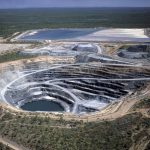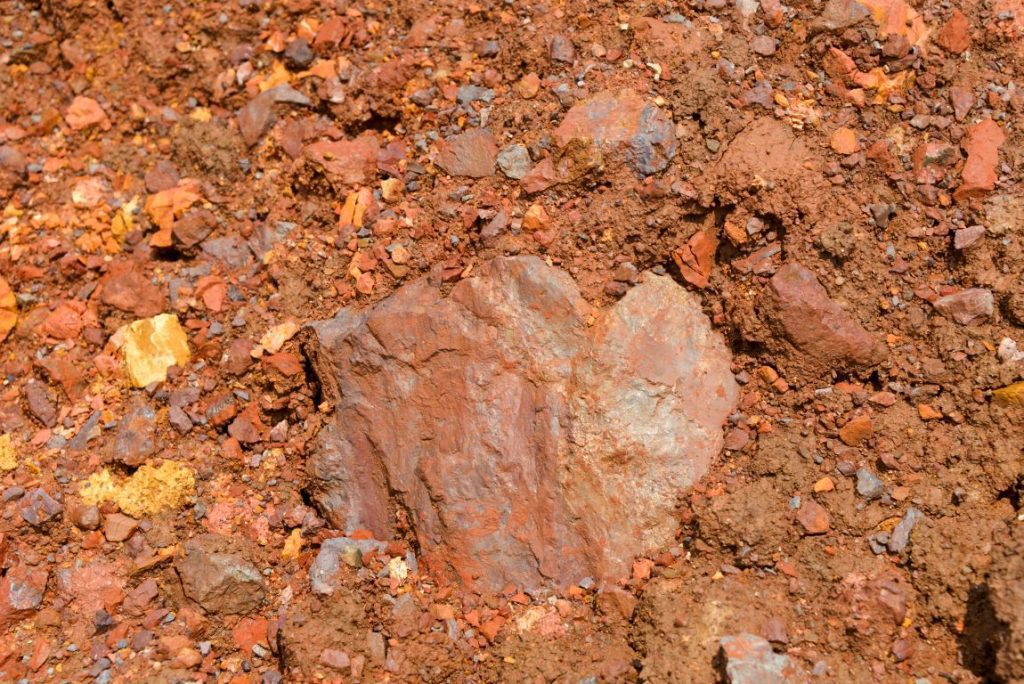
The CCI examined the functioning of the iron ore market in a report titled “Dynamics of Competition in the Mining Sector in India With A Focus On Iron Ore,” which examined the production of iron ore and related industries like steel.

According to the report, the nation produces “self-sufficient” amounts of iron ore, accounting for 7% of the world market. In recent years, iron ore’s export value has outpaced its import value.
In an updated statement issued at the end of 2023, the CCI stated, “Though it is not possible to withdraw the already operational captive mines before the completion of their tenure as this could disrupt synergies and efficient production.”
“The 2021 mining law amendments will likely increase the supply of iron ore in the market by allowing captive mines to sell up to 50% of surplus iron ore on the open market.”
In order to make sure that buyers are not hit with unforeseen expenses, the study emphasized the importance of monitoring the price at which a captive mine sells its excess to other businesses, “especially if the buyer competes with a captive mine-owned firm.”
More Read

In order to keep prices under control, the research promoted high-value added industries like domestic steel manufacturing. It suggested loosening these rules in order to lower the high expenses associated with compliance.

The CCI fought for the gradual phase-out of “dirty” technology in order to regulate sustainable mining. It also promoted the adoption of greener technologies and provided incentives for modifying current procedures to incorporate sustainable methods of mineral production.