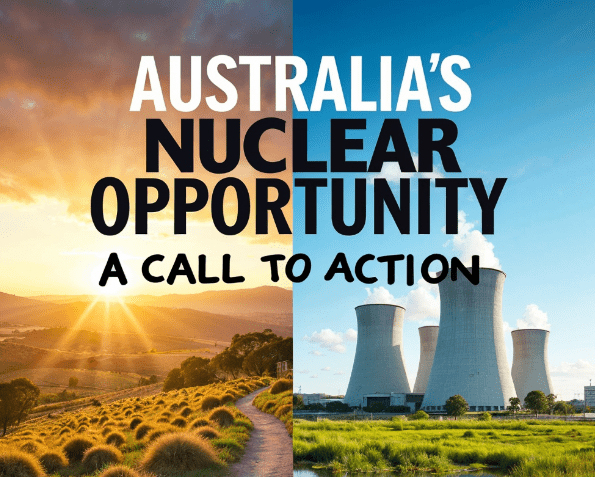
Australia’s uranium miners are sounding the alarm that the country may miss out on a burgeoning global demand for nuclear fuel as it increasingly turns to nuclear energy to meet its decarbonization goals. Despite possessing some of the largest uranium reserves globally, Australia’s stringent regulations and political resistance to nuclear power could see it sidelined in the emerging nuclear boom.

Global Nuclear Energy Demand Surge
The global energy landscape is shifting, with nuclear power being re-embraced as a key component of the transition to low-carbon energy systems. Nations such as the United States, China, and several European countries are ramping up their nuclear energy investments to reduce reliance on fossil fuels and meet carbon reduction targets. This resurgence is driving up demand for uranium, the critical fuel for nuclear reactors.
Related News
- Geologist Among Russians Captured by Al-Qaeda Affiliate in Niger’s Mineral-Rich Region
- Addressing the Mining Workforce Gap: Innovative Education and Legislative Efforts
- From Supercontinent to Steel: The Geological History of Iron Ore Deposits Over 1 Billion Years
- The Future of Water Management in Mining: Balancing Resource Extraction and Environmental Stewardship
- Cutting Emissions: Innovative Energy Management Strategies in Mining Operations
Australia’s Regulatory Hurdles
Australia, home to significant uranium deposits, is uniquely positioned to benefit from this demand surge. However, the country’s longstanding ban on nuclear power generation remains a significant barrier. The ban, rooted in environmental and safety concerns, has been a contentious issue, with proponents arguing that modern nuclear technology can provide safe and reliable energy.
Mining giant BHP Group Ltd., one of the world’s largest uranium producers, has been vocal about the need to reconsider the ban. Laura Tyler, BHP’s Chief Technical Officer, emphasized that nuclear energy must be part of Australia’s energy conversation as the country seeks to decarbonize its electricity system. Tyler’s call reflects a broader industry sentiment that Australia’s regulatory framework is out of step with global energy trends.
Economic and Strategic Implications
The potential economic benefits of lifting the nuclear power ban are substantial. Increased uranium exports could bolster Australia’s economy, providing jobs and investment in mining regions. Moreover, engaging in the global nuclear market could enhance Australia’s strategic position, particularly as geopolitical tensions influence energy security considerations.
However, the path to policy change is fraught with challenges. Environmental groups and some political factions remain staunchly opposed to nuclear energy, citing concerns over radioactive waste management and potential accidents. The debate is further complicated by Australia’s commitment to renewable energy sources, which some argue should be prioritized over nuclear options.

Industry Perspective
Uranium miners are advocating for a balanced approach that includes nuclear energy as part of a diversified energy portfolio. They argue that modern nuclear reactors, including small modular reactors (SMRs), offer enhanced safety features and can complement renewable energy sources by providing stable baseload power.
The Australian Uranium Association (AUA) has been lobbying for regulatory reforms to facilitate uranium mining and export. The AUA contends that Australia’s current stance is economically shortsighted and environmentally counterproductive, given nuclear power’s low carbon footprint.
Global Context
Internationally, the nuclear energy sector is experiencing significant advancements. Countries like France and Japan are revitalizing their nuclear programs, while emerging economies are investing in new nuclear technologies. The International Atomic Energy Agency (IAEA) has reported a steady increase in the number of nuclear reactors under construction worldwide, highlighting the sector’s growth potential.