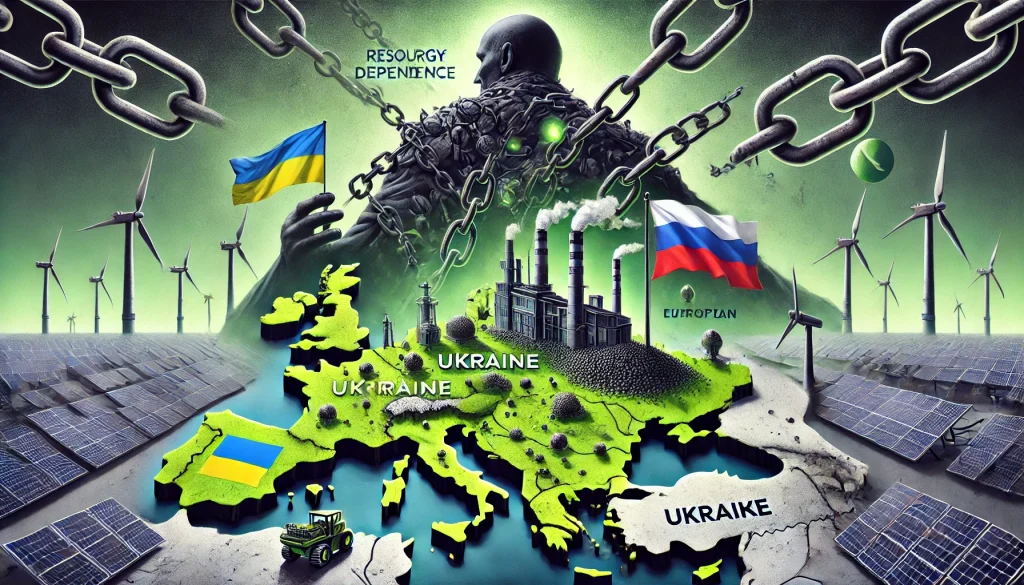
The recent revelations about Russia’s potential control over Ukrainian lithium mines should serve as a wake-up call for Europe and the broader global community committed to green energy. As the article on OilPrice.com aptly underscores, critical mineral resources like lithium are not just commodities—they are geopolitical levers. And right now, Europe’s green energy ambitions are shackled by its lack of self-reliance in mining and refining capabilities.

Lithium is a cornerstone of the global energy transition. It powers the batteries of electric vehicles, underpins renewable energy storage, and fuels the dreams of a carbon-neutral future. Yet, despite its criticality, Europe has largely outsourced its mining needs, relegating itself to a position of dependence on foreign suppliers. Now, with Russia tightening its grip on Ukrainian lithium reserves, the cracks in Europe’s strategy are glaringly evident.
Related News
- Trump Energy Policies 2.0: What’s Next for Fossil Fuels and Renewables?
- Stainless steel Market Slump Deepens as Nickel Prices Plunge
- SRK Consulting Launches HiveMap to Revolutionize Geological Mapping
Mining: The Foundation of Sustainability
The irony here is staggering. Europe preaches sustainability and climate action yet refuses to get its hands dirty in mining—the very industry that makes these goals achievable. Instead of building robust domestic mining industries, European nations continue to rely on imports from politically unstable or authoritarian regimes. This is not just hypocrisy; it’s a strategic failure.
Mining is not the enemy of sustainability. Modern mining practices are safer, more efficient, and increasingly environmentally conscious. Technologies like autonomous drilling, real-time monitoring, and carbon capture in mining processes are reducing the environmental footprint of the industry. Yet, Europe’s regulatory and social resistance to mining has allowed others, like Russia, to dominate the playing field. The moral posturing against domestic mining doesn’t just hurt Europe’s green ambitions—it also empowers adversarial states.
Ukraine’s Lithium and Europe’s Strategic Misstep
The situation in Ukraine is a textbook case of what happens when nations fail to value their own resources. While Ukraine’s lithium reserves could have been a game-changer for European energy independence, the lack of coordinated efforts to secure and develop these assets has left them vulnerable to exploitation by Russia. This control gives Moscow a chokehold over Europe’s clean energy future, a prospect that should alarm anyone who values energy security and autonomy.
Pro-Mining Policy: A Moral and Strategic Necessity
It’s time for Europe to shed its outdated stigma against mining and embrace the industry as a partner in sustainability. Here’s why:

- Energy Independence: Without a strong mining industry, Europe’s green energy goals will remain dependent on imports from countries with questionable environmental and labor standards. Mining domestically ensures control over supply chains and reduces reliance on geopolitically volatile regions.
- Economic Growth: Investing in mining creates jobs, fosters innovation, and strengthens industrial ecosystems. Europe can lead the way in developing cutting-edge mining technologies that are both economically viable and environmentally sustainable.
- Global Leadership: If Europe is serious about being a leader in the green revolution, it must lead by example. That means mining responsibly, not outsourcing the dirty work to others while reaping the benefits of clean energy.
The Path Forward
Europe’s green energy transition is at a crossroads. It can continue to rely on adversaries like Russia and perpetuate its vulnerability, or it can reclaim control by investing in mining, refining, and processing critical minerals domestically. The choice is clear: mining isn’t the problem; it’s the solution.