By Charles Pitts

How Tin Mining Digital Partnerships Are Powering the Industry 4.0 Revolution
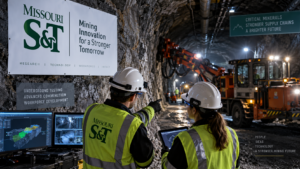
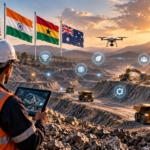
Tin Mining is accelerating the Industry 4.0 shift faster than anyone expected, transforming traditional operations with cutting-edge digital technologies. Mining companies and their suppliers must rapidly adapt their methods, embracing innovations like real-time data analytics, machine vision, and autonomous systems to stay competitive. This digital wave is reshaping every part of tin mining—from hardware and software to workforce skills.
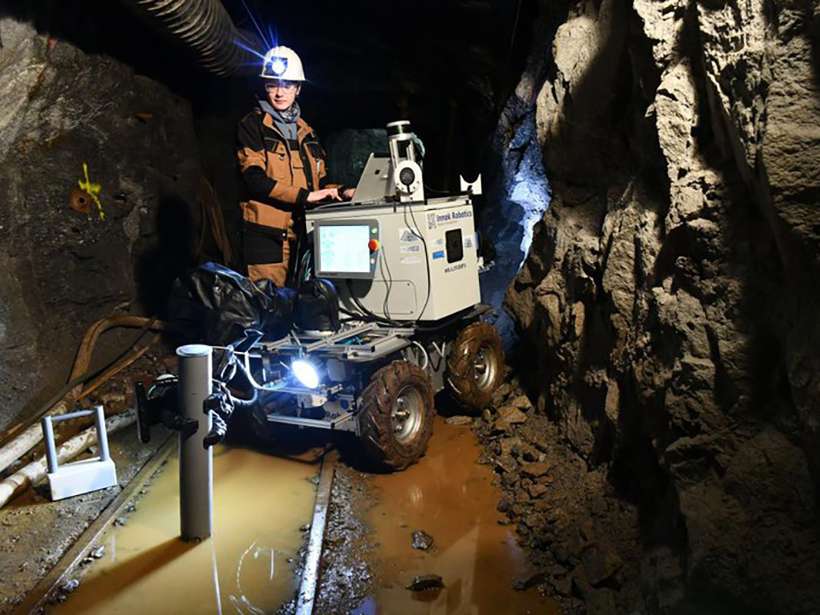
Tin Mining’s latest digital technologies capture and convert massive streams of data into smart, actionable insights in real time. These tools leverage powerful machine learning, remote sensing, and teleoperation, enabling smarter decisions that optimize productivity and safety. But this transformation demands rugged hardware designed for mining’s extreme conditions and powerful software platforms capable of processing ever-growing data volumes.
Moreover, successful digital adoption in tin mining hinges on assembling multidisciplinary teams with expertise in telecommunications, computing, and system integration alongside mining know-how. Without this blend, new digital infrastructure risks falling short of its full potential.
Tin Mining’s digital future goes beyond just connecting machines. It opens new frontiers for managing complex organizational processes using big data. The industry’s key performance indicators—productivity, safety, and cost efficiency—depend on a scalable, flexible ecosystem that adapts quickly to evolving technology without disrupting operations.
One of the biggest hurdles remains the time required to integrate digital systems fully. To accelerate this process, Tin Mining is turning to technology suppliers and system integrators who provide vital expertise and support for rapid digital transformation.
How Partnerships with Telecom Vendors Are Unlocking Tin Mining’s Digital Potential

Tin Mining has forged new digital partnerships to build comprehensive ecosystems and leverage expert knowledge. Mining firms need telecom partners with deep sector experience to overcome integration challenges and deploy connectivity solutions that support autonomous and remote-controlled equipment.
For example, Komatsu tested its FrontRunner Autonomous Haulage System on Nokia’s private LTE network in Tucson, Arizona. Meanwhile, Sandvik is enhancing underground connectivity by trialing LTE and 5G networks at its Tampere test mine. These initiatives illustrate the critical role of wireless networks in reliable mission-critical communications and data transmission.
Access to wireless spectrum is another vital asset supplied by partners. Tin Mining operators often collaborate with mobile carriers or third-party spectrum holders to deploy private 4G/LTE or 5G networks. Notable examples include Vale’s partnership with Vivo in Brazil, Teck and Shaw in Canada, and Minera Las Bambas with Telefonica in Peru.
These strategic alliances mitigate risks revealed by early digital projects in Western Australia, where an autonomous rail initiative exceeded its budget by 80% and faced a four-year delay. Successful digital adoption in tin mining demands partners with technical expertise, mining knowledge, and long-term commitment.
More Read
The significant capital expenditure required for digital transformation means trial-and-error approaches cause costly delays. Tin Mining’s long-term success depends on partnerships that combine deep mining expertise with a clear vision and willingness to invest substantially.
Digitalization will rapidly enhance productivity, safety, and reduce costs—but it is a journey requiring patient investment in workforce training and evolving strategies. Unlike previous operational technology projects, the digital mine is a mine-wide platform that needs a comprehensive approach and strong partners to realize its full promise.
Tin Mining’s transformation to a digitally connected operation is ongoing. Those who choose the right strategic partners will unlock a secure, efficient, and productive mining environment ready to power the next generation of extraction.