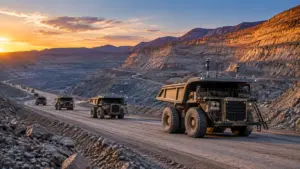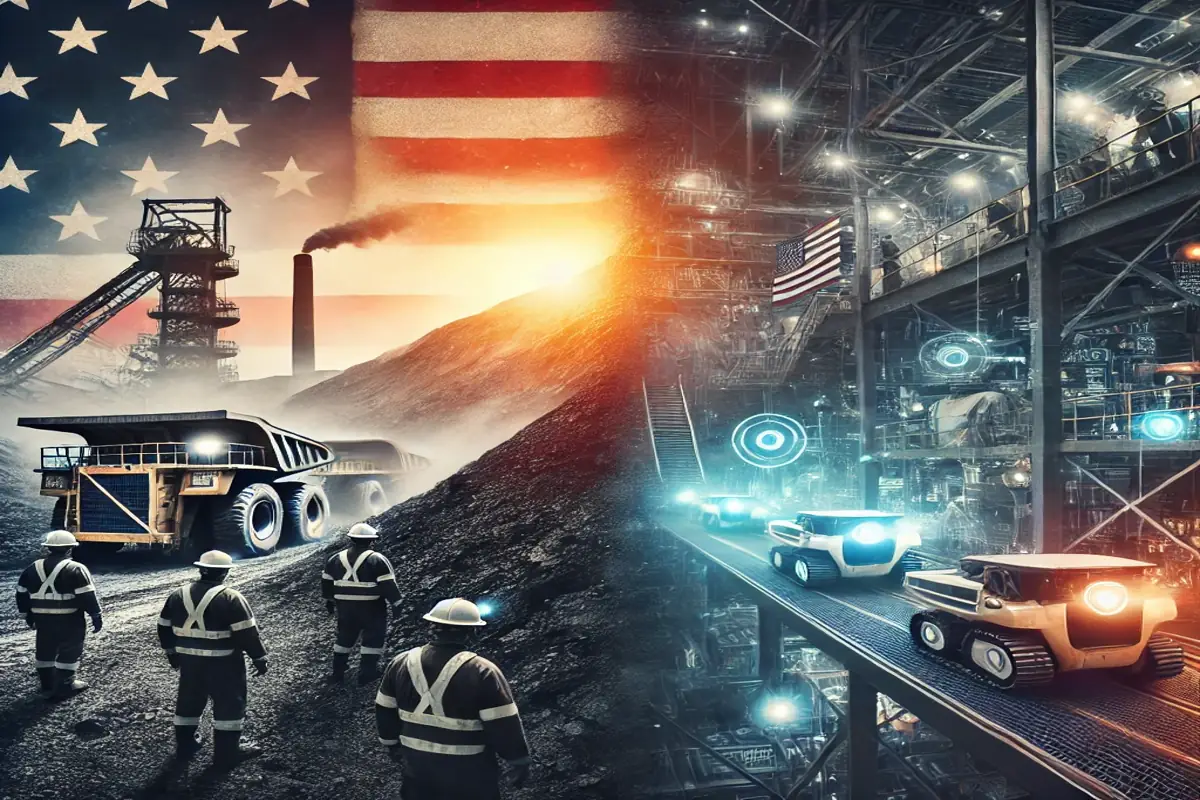

As the 2024 U.S. election approaches, the future of mining jobs is emerging as a pivotal issue that could sway voters in key battleground states. With the rise of automation and artificial intelligence (AI), coupled with the decline of traditional coal mining, the industry faces a complex and uncertain future. This evolving landscape is not just about jobs; it’s about the economic stability of communities that have long relied on mining.
Donald Trump and Kamala Harris are acutely aware of the stakes, and their positions on mining jobs, particularly in swing states like Pennsylvania and West Virginia that are heavily reliant on the industry, could significantly influence voter turnout and sway the election results.
The Impact of Automation and AI on Mining Jobs
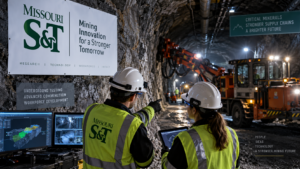
Automation and AI are transforming the mining industry, promising increased efficiency and safety. However, these advancements come with the cost of significant job cuts. According to industry reports, AI-driven automation could reduce the need for human labor in various mining operations, from exploration to extraction. A recent article on ChannelLife highlights the growing concern that these technological advancements may lead to a significant reduction in mining jobs .
This shift has already begun to manifest. For example, Whitehaven Coal announced the cutting of 192 jobs at mines recently acquired from BHP. The move is part of a broader trend where companies are increasingly relying on technology to streamline operations, leading to workforce reductions . While automation may enhance productivity, the human cost is undeniable, particularly in regions where mining is a major employer.
More Read

The Decline of Coal Mining and Its Political Ramifications
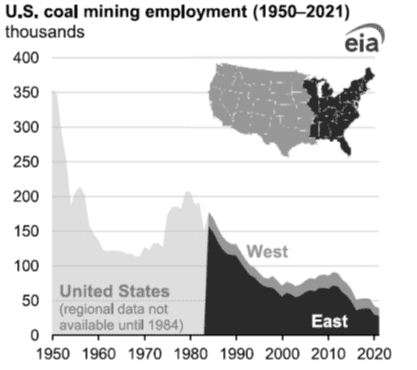
The decline of coal mining in the U.S. has been a source of tension in recent years, exacerbated by environmental regulations and the shift towards cleaner energy sources. This downturn has had a profound impact on coal-dependent communities, where job losses have led to economic instability and outmigration. The Trump administration made coal mining jobs a focal point of its economic agenda, promising to bring back jobs to the sector. However, the reality has been far more complex.

You might be Interested In
- Shaping the Future of Mining Jobs: The Impact of Emerging Trends and Technologies
- Turkey’s mining industry: Mining Jobs Surge in Turkey’s Resurgent Industry
- Canadian Mining Jobs Thrive in 2023 as Salaries Soar
- Digging Deep: A Comprehensive State-by-State Analysis of Underground Mining Jobs
An article from JD Supra outlines the rise and decline of coal mining, noting that despite political promises, the industry continues to face significant challenges . These challenges are not just economic; they are also political. As coal mining jobs disappear, the frustration and disillusionment among affected voters have become a potent force in U.S. politics.
Former President Trump is keenly aware of this dynamic and has made coal mining jobs a major issue in his 2024 campaign.
A piece from CounterPunch discusses how Trump is positioning himself as the defender of the coal industry, using job losses as a rallying cry to galvanize his base . This strategy could prove effective in key swing states where coal mining has historically been a significant source of employment.
The Future of Mining Jobs: A Double-Edged Sword for Politicians
While automation and the decline of coal present challenges, there are also opportunities in the mining sector, particularly in the extraction of critical minerals like copper. The demand for these minerals is expected to rise as the world transitions to renewable energy and electric vehicles. A copper mine in Michigan’s Upper Peninsula, for instance, could bring much-needed jobs to the area. However, as MLive reports, not everyone is in favor of the mine, with concerns about environmental impact and local opposition presenting hurdles .
This duality—where some mining sectors are declining while others are poised for growth—creates a complex landscape for politicians. Candidates must balance the need to support traditional mining communities with the potential for new jobs in emerging sectors. The Yahoo Finance article on BHP’s job cuts underscores the volatility in the mining job market, making it a critical issue for voters concerned about job security and economic stability .
Conclusion
As the 2024 election looms, the future of mining jobs in the U.S. is set to be a major issue that could influence the outcome in several key states. The industry is at a crossroads, with automation threatening jobs in some areas while the decline of coal continues to erode employment in others. At the same time, the rise of critical minerals offers a glimmer of hope for new job creation. How candidates navigate this complex landscape will be crucial in winning over voters who see their livelihoods tied to the future of mining. With so much at stake, mining jobs could very well become a decisive factor in the 2024 election.