Residents of Emalahleni, a rural village in northern KwaZulu-Natal, find themselves embroiled in a contentious battle with mining giant Tendele. With heavy earth-moving equipment rumbling into their community, concerns about the loss of ancestral lands and homes loom large. Amidst mounting fears and legal challenges, Tendele’s push for new anthracite mines has ignited a fierce debate over environmental impact and community displacement.

The Rush to Dig
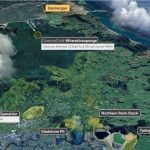
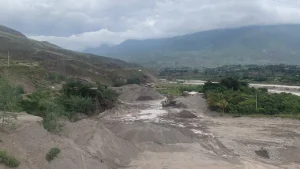
Tendele, a Johannesburg-based mining company, has mobilized a fleet of excavators, bulldozers, and dumper trucks to prepare for three new mines in Emalahleni. Despite the absence of finalized environmental impact assessments (EIAs) and public consultations, the company has commenced groundwork, prompting outrage among residents.
Related News
- Mining Industry Advances in Social Responsibility: Achieving a Social License to Operate
- Petra Diamonds Secures Long-term Renewable Energy Agreements with Etana Energy for Sustainable Operations
- Mining Volcanic Brine: A Hot Topic for the Energy Transition
- Namibian Government Engages UNESCO and IAEA on Uranium Mining in Omaheke
Legal Hurdles and Community Opposition
The Mfolozi Community Environmental Justice Organisation (Mcejo) has been at the forefront of legal challenges against Tendele’s mining activities. Hindered by court actions, Tendele’s ambitions have faced significant delays. However, with mounting financial pressure and looming liquidation, the company has intensified efforts to break ground, much to the dismay of local communities.
Fear of Displacement and Environmental Fallout
Residents fear the irreversible loss of ancestral lands and the prospect of living on the doorstep of open-cast coal mines for decades to come. With the current mining laws only mandating the evacuation of homes within a 500-meter radius of blasting zones, concerns about broader environmental impacts and community displacement remain unaddressed.
Questionable Consultation Process
Tendele claims that over 90% of affected residents have consented to the mining projects. However, questions linger over the transparency and inclusivity of the consultation process. Many residents argue that their voices have been silenced or ignored amidst the rush to extract resources.
Economic Imperatives vs. Environmental Concerns
Tendele’s eagerness to proceed with mining operations underscores the delicate balance between economic development and environmental preservation. While the company cites financial pressures and indebtedness, local communities and environmental activists emphasize the need for sustainable development and respect for indigenous rights.

Calls for Accountability and Social Responsibility
As tensions escalate, calls for accountability and corporate social responsibility grow louder. Both Tendele and regulatory authorities face scrutiny over the adequacy of environmental assessments and the protection of community interests. The unfolding saga in Emalahleni serves as a stark reminder of the complexities inherent in balancing economic interests with social and environmental justice.
The standoff between Tendele and residents of Emalahleni epitomizes the broader tensions surrounding extractive industries in South Africa. As the mining company presses forward with its plans, local communities remain steadfast in their resistance, determined to protect their ancestral lands and way of life. With the stakes high and the implications far-reaching, the battle for Emalahleni’s future intensifies, casting a spotlight on the urgent need for sustainable development and inclusive decision-making processes.