By Charles Pitts

ARKHANGELSK, Russia : Alrosa, the world’s largest producer of rough diamonds by volume, will suspend mining and transport operations at its Severalmaz subsidiary for three months beginning July 1, 2026. The move, aimed at preserving financial resilience and maintaining market discipline, marks a significant tactical shift as the global diamond industry continues to grapple with inventory imbalances and fluctuating demand.
The suspension, expected to last until October 2026, specifically targets the extraction and movement of diamond-bearing ore at the Lomonosov deposit in the Arkhangelsk region. While active mining will cease, the company confirmed that its processing plant will remain operational, drawing from accumulated high-grade ore stockpiles to maintain a steady, albeit controlled, flow of rough diamonds to the market.
Industry analysts view the decision as a calculated attempt by the Russian state-controlled miner to support rough diamond prices by preventing an oversupply in the midstream segment. By decoupling extraction from processing, Alrosa can fine-tune its market offerings without completely severing its revenue streams.
Strategic discipline in a fragile market
The decision to pause operations at Severalmaz is not merely a logistical adjustment but a strategic intervention. Alrosa management stated that the suspension is a “necessary measure to ensure long-term operational and financial stability.” In the current 2026 landscape, diamond producers are facing a complex array of challenges, including the continued rise of lab-grown alternatives and the lingering effects of G7-led import restrictions on Russian-origin stones.

By pulling back on fresh extraction, Alrosa is effectively exercising “supply discipline,” a move often seen in the oil industry where production is trimmed to defend a price floor. For the diamond market, which has seen rough prices under pressure for much of the previous year, the removal of several months of production from one of the industry’s key secondary assets provides a cushion.

“Managing the flow of rough is the only lever major producers have when the midstream is clogged with inventory,” said one Moscow-based mining analyst. “Severalmaz is smaller than Alrosa’s flagship Yakutia mines, making it the ideal candidate for a temporary scale-back that minimizes social impact while maximizing market optics.”

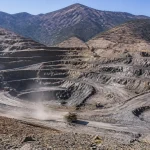
Suspension of haulage operations at Severalmaz aims to reduce immediate production costs while the market stabilizes.
More Read

Operational continuity and the stockpile buffer
A critical component of the July 1 suspension is the continuation of processing activities. Severalmaz has reportedly built up significant stockpiles of high-grade ore over the preceding 12 months. By keeping the processing mills running, Alrosa ensures that it does not face a total “dry spell” in its inventory.
This approach allows the company to:
- Maintain technical readiness: Keeping the processing plant live prevents the mechanical degradation often associated with full care-and-maintenance shutdowns in sub-arctic environments.
- Retain essential personnel: By focusing on processing and maintenance, the company can avoid large-scale layoffs, shifting labor from the pits to the plant and infrastructure upkeep.
- Optimize sales quality: Processing stockpiled ore allows the company to selectively release rough diamonds that meet specific market demands, rather than being forced to sell a generic run-of-mine mix.
For more details on the operational impact, see our analysis on Alrosa Severalmaz suspension timeline and key risks.
Impact on the diamond supply chain
The immediate impact of the Severalmaz pause will be felt most acutely in the rough diamond segment. Severalmaz is known for producing a unique range of diamond qualities, including a higher-than-average proportion of large stones and colored crystals compared to some other Russian mines.
Midstream buyers: primarily manufacturers in Surat, India: who rely on Alrosa’s “northern” production may see reduced allocations during the third quarter of 2026. This tightening comes at a time when the industry is already navigating a bifurcated market. While the “non-Russian” supply chain, led by De Beers, has seen its own challenges, the removal of Severalmaz’s fresh production adds a layer of scarcity that could embolden sellers to hold firm on pricing.
However, the “measured” nature of this suspension means a global shortage is unlikely. Severalmaz represents a minority share of Alrosa’s total carats. The psychological impact on the market, signaling that the world’s largest producer is willing to turn off the taps to protect value, may be more significant than the actual loss of carats.

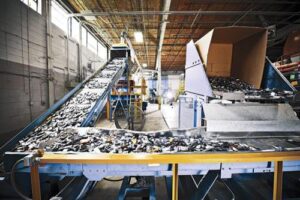
The suspension allows Alrosa to manage the release of rough stones into a market currently characterized by inventory sensitivity.
Financial resilience and the 2026 outlook
Financially, the move is designed to protect Alrosa’s balance sheet. Mining is a capital-intensive endeavor, particularly in the Arkhangelsk region where energy and logistics costs are high. By pausing the most expensive phase of the production cycle: extraction and transport: Alrosa can reduce its immediate cash burn.
This fiscal conservatism is becoming standard across the industry as project valuation and P-NAV metrics become the primary focus for investors in the resource sector. For a state-aligned entity like Alrosa, maintaining a healthy cash position is also a matter of national economic priority.
Looking ahead to the fourth quarter of 2026, Alrosa plans a “gradual resumption” of mining at Severalmaz starting in October. This restart will likely be calibrated against the success of the holiday retail season in the United States and China. If demand remains tepid, the industry should not be surprised if such “tactical pauses” become a recurring feature of the production calendar.
Analysis: A new era of supply management?
The Severalmaz suspension may be a bellwether for a new era in diamond mining. Historically, major producers maintained high production rates even during downturns to protect market share. Today, the focus has shifted toward value over volume.
“We are seeing a maturation of the supply side,” noted a senior industry consultant. “Producers are no longer content to dump diamonds into a weak market. Whether it’s Alrosa in Russia or major juniors in Canada and Africa, the mantra for 2026 is disciplined growth.”
As the July 1 deadline approaches, all eyes will be on the rough diamond auctions to see if the “Severalmaz effect” translates into a price lift. For now, the message from the Arkhangelsk region is clear: the industry’s giant is prioritizing the health of the market over the speed of the shovel.

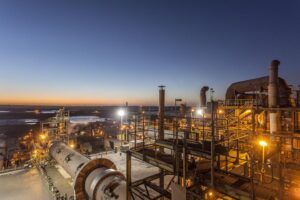
Data-driven operational discipline allows modern miners to adjust production levels in real-time to match global demand signals.
Summary of Key Impacts
| Metric | Short-Term Impact (July–Sept 2026) | Long-Term Outlook (Post-Oct 2026) |
|---|---|---|
| Rough Supply | Tightening; focus on stockpile depletion | Gradual recovery as mining restarts |
| Pricing | Support for rough diamond floor prices | Stabilization depends on retail demand |
| Operations | 3-month mining/transport hiatus | Full capacity target for Q4 2026 |
| Market Sentiment | Increased producer-led discipline | Shift toward value-based extraction |
The global mining community continues to watch Alrosa’s maneuvers closely, as the ripple effects of the Severalmaz decision will likely influence pricing strategies for the remainder of the 2026 fiscal year. For operators and investors, this move underscores the volatility and the increasingly tactical nature of modern mineral resource management.