However, this vital sector is accompanied by a chorus of challenges and opportunities, leaving both hope and concern echoing across the continent. In this article, we explore the complex world of mining in Africa, the cry for a sustainable future, and the path forward.

Africa’s mineral wealth is undeniable. The continent is a global leader in the production of precious minerals like gold, diamonds, and platinum. It boasts abundant reserves of copper, cobalt, bauxite, and other valuable resources that are essential to industries worldwide.
Mining has the potential to drive economic growth, create jobs, and foster infrastructure development in African nations. Yet, its benefits have often been unevenly distributed, leading to disparities in wealth and development.
Mining in Africa is not without its challenges, many of which have far-reaching consequences for the continent’s social, economic, and environmental fabric.
Many African countries face difficulties in effectively managing their mineral wealth. Issues of corruption, lack of transparency, and mismanagement can hinder the equitable distribution of mining revenues.
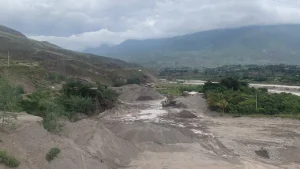
The environmental toll of mining activities is a growing concern. Deforestation, soil degradation, water pollution, and habitat destruction are among the environmental consequences that require careful management and mitigation.

Mining operations often displace local communities, causing social upheaval and disruption. Resettlement, loss of livelihoods, and inadequate compensation can lead to grievances and conflicts.
The mining sector presents significant health and safety challenges for workers. Inadequate safety measures can result in accidents, injuries, and fatalities, underscoring the need for improved workplace conditions.
The unsustainable extraction of minerals can deplete finite resources, threatening the long-term viability of the mining sector and the economies it supports.
Amidst these challenges, opportunities for positive change are emerging, offering hope for a brighter future.
African nations are increasingly recognizing the importance of sustainable mining practices. Implementing responsible mining standards and adhering to international guidelines can minimize the environmental and social impacts of mining.
African governments are exploring ways to diversify their economies beyond resource extraction. Investment in value-added industries and skills development can reduce dependency on mining.
Efforts to improve governance and transparency in the mining sector are gaining momentum. Initiatives like the Extractive Industries Transparency Initiative (EITI) aim to ensure that mining revenues are managed and reported openly.
Recognizing the importance of local communities, some mining companies are engaging in meaningful dialogue and consultation with affected populations. Collaborative approaches to community development can foster trust and cooperation.
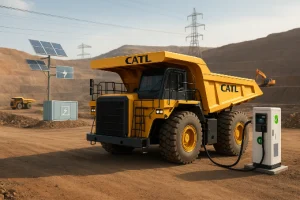
Advances in technology are enabling more efficient and environmentally friendly mining practices. From automated equipment to cleaner energy sources, these innovations hold the promise of reducing the sector’s environmental footprint.
Amidst the echoes of challenges and opportunities, there is a collective cry for a sustainable future in African mining. This cry is rooted in the desire for responsible resource management, equitable distribution of benefits, and environmental stewardship.
The cry is also a call to action for governments, mining companies, civil society, and international partners to work together in shaping a mining sector that is both prosperous and sustainable. It is a plea for the preservation of Africa’s natural heritage and the protection of its people’s well-being.
The path to a sustainable future in African mining is complex but navigable. It requires a commitment to responsible practices, transparency, and collaboration among all stakeholders. Key steps include:
African nations must prioritize good governance, transparency, and anti-corruption measures to ensure that mining revenues benefit the entire population.
The mining sector should contribute to broader economic diversification and sustainable development goals, with a focus on local job creation and skills development.
Mining companies should adopt environmentally responsible practices, including the use of advanced technologies for resource extraction and land rehabilitation.
Local communities affected by mining activities must be actively engaged in decision-making processes and share in the benefits of mining operations.
Africa can benefit from partnerships with international organizations and governments to strengthen its capacity for responsible resource management.
Mining in Africa is both a blessing and a challenge, echoing with the promise of economic growth and the need for sustainable practices. The cry for a sustainable future is a call to rise above the challenges and seize the opportunities that mining presents.
By embracing responsible mining practices, promoting transparency, and fostering collaboration, Africa can harness the full potential of its mineral wealth while safeguarding the well-being of its people and the environment. In doing so, the beloved continent can chart a path to a more prosperous and sustainable future for all.
Africa’s Treasures Beneath: Unveiling the Continent’s Most Valuable Minerals
Africa, known for its diverse landscapes and rich cultural heritage, also boasts an abundant treasure trove beneath its surface: valuable minerals that have played a pivotal role in the continent’s economic development. In this article, we delve into some of Africa’s most valuable minerals, exploring their significance, economic contributions, and the challenges they present.
Gold, often referred to as the “shining star” of African minerals, has a storied history on the continent. It is one of Africa’s most sought-after resources and holds immense economic and cultural importance.
Gold has been mined in Africa for centuries, and its significance extends beyond economics. It is deeply intertwined with African culture, often used in traditional jewelry and artifacts. It also serves as a store of value and a hedge against economic uncertainty.
The gold mining industry in Africa generates significant revenue, job opportunities, and foreign exchange earnings. Major gold-producing countries in Africa include South Africa, Ghana, Tanzania, and Mali. Gold mines contribute to infrastructure development, local economies, and government revenues through taxes and royalties.
The gold mining sector faces challenges related to environmental degradation, illegal mining, and conflicts over land rights. Ensuring responsible mining practices and equitable distribution of benefits remains an ongoing concern.
Africa is renowned for its diamond mines, which yield some of the world’s most exquisite gems. Diamonds are not only symbols of luxury but also vital contributors to African economies.
Diamonds hold cultural significance in many African societies, often used in traditional ceremonies and jewelry. The continent is home to some of the most famous diamond mines, including the Cullinan, the largest gem-quality diamond ever discovered.
You might be interested in
- Land Grabs and Disputes: The Unsettling Consequences of Mining in Rural Areas
- The Rise of Clean-Energy Minerals: Transforming Mining Practices in Africa
- African Belt and Road Initiative Projects Captivate Global Investors
- A Countdown to Freedom and Prosperity in the Democratic Republic of the Congo
- China’s Lending to Africa: A Changing Landscape and its Implications
The diamond mining industry supports livelihoods in several African countries, such as Botswana, Namibia, and Angola. Revenue from diamond exports contributes to national development, education, and healthcare.
The diamond trade has faced issues related to conflict diamonds, also known as “blood diamonds.” These are diamonds mined in war zones and sold to finance armed conflict against governments. Efforts like the Kimberley Process Certification Scheme aim to prevent the trade in conflict diamonds.
Platinum, often referred to as “white gold,” is a precious metal with diverse industrial applications. It plays a crucial role in various sectors, including automotive and jewelry.
Platinum is relatively rare, and South Africa is home to the world’s largest platinum reserves. It is used in catalytic converters, which reduce harmful emissions from vehicles, making it essential for environmental purposes.
The platinum mining industry contributes significantly to South Africa’s economy, providing jobs and export revenue. Platinum group metals (PGMs) are also used in jewelry, contributing to the country’s gold and jewelry sector.
Platinum mining faces challenges related to labor disputes, environmental impacts, and safety concerns. Sustainable practices and community engagement are essential for addressing these issues.
Cobalt, a vital component in rechargeable batteries, has gained prominence in recent years due to its role in the electric vehicle (EV) revolution.
Cobalt is essential for the production of lithium-ion batteries used in EVs and electronic devices. A significant portion of the world’s cobalt reserves is found in the Democratic Republic of Congo (DRC).
Cobalt mining contributes to the DRC’s economy, but it also faces challenges related to artisanal mining, child labor, and environmental impacts. Sustainable and ethical sourcing of cobalt is a growing concern for the industry.
Ensuring responsible cobalt mining practices, addressing labor issues, and reducing the environmental footprint are critical challenges facing the cobalt sector in Africa.
Africa’s wealth in minerals is a source of both economic opportunity and responsibility. While these valuable minerals contribute to economic development, job creation, and cultural heritage, they also present challenges related to responsible mining, environmental sustainability, and ethical sourcing.
The responsible management of Africa’s most valuable minerals is a shared responsibility that involves governments, mining companies, civil society, and international stakeholders. Balancing the economic benefits of mineral extraction with ethical and sustainable practices is essential for harnessing the true potential of Africa’s treasures beneath the surface.