Key Takeaways
- Iron ore prices rose 14% in July, hitting $112.74/t on Dalian futures.
- China’s $165B hydroelectric plan spurred optimism for long steel demand.
- Port inventories fell, pig iron production stayed stable.
- Ministry warnings on steel reform sparked temporary price pullbacks.
- Moody’s and BMI caution prices may revert toward $80–100/t.
As China unveils a 1.2 trillion yuan ($165 billion) hydropower project in Tibet, the global iron ore market is betting big on steel.

Futures contracts surged in July, with Dalian prices peaking at $112.74 a ton on July 21—the highest level since February—marking a 14% monthly gain. In Singapore, prices for August delivery climbed 11.3% to $103.60. The gains reflect revived optimism over long-term steel demand, anchored in Beijing’s latest infrastructure ambition: five hydroelectric plants totaling 60 gigawatts, triple the capacity of the Three Gorges Dam.
“The scale of this project is massive, even by China’s standards,” said Matthew Weller, commodities strategist at StoneX. “It’s a long-term signal, but futures markets respond quickly to sentiment shifts.”
Port Stocks Down, Output Holds Up
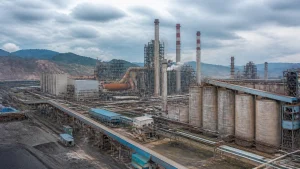
The optimism is underpinned by solid fundamentals. Despite the seasonal slowdown, Chinese steel mills have kept pig iron output resilient. Some even accelerated restarts after scheduled shutdowns. At the same time, iron ore inventories at Chinese ports fell—an indication of continued procurement by mills.
“Steel producers are cautiously restocking, and there’s no panic in the market,” said Lin Meng, analyst at Mysteel. “That’s helping support prices, even without explosive demand growth.”
But July’s rally has not been without volatility. Prices dipped mid-month after China’s Ministry of Industry signaled a new wave of structural reforms, including the shutdown of outdated steelmaking capacity. Traders interpreted this as a possible precursor to output restrictions, triggering short-term profit-taking.

Stimulus Hopes Counter Weak Demand
Beijing’s expected political calendar is now in focus. The upcoming Politburo meeting could produce additional economic stimulus—especially infrastructure spending—that may offset weak property sector indicators.
Still, analysts remain cautious. Moody’s projects iron ore prices will average $80–100 per ton over the next 12 to 18 months, citing sluggish construction activity and robust global supply. BMI Research maintains a $100 forecast for 2025 but flags downside risks from soft Chinese demand.
“The market remains sentiment-driven,” said Weller. “Without a hard shift in physical demand, prices are vulnerable to policy disappointment.”
Structural Risk Persists
The key variable is steel production. If Beijing implements fresh output quotas, iron ore consumption could retreat quickly. Conversely, new construction stimulus or megaproject announcements could extend the current rally into Q3.
The infrastructure narrative has provided a lifeline, but questions remain about sustainability. The hydropower plan is long-dated. Steel demand today is more fragile than futures pricing suggests.
As ever in this market, hope trades faster than reality.