China’s Strategic Investments in Kazakhstan’s Critical Minerals
China is intensifying its focus on Kazakhstan, driven by the Central Asian nation’s abundance of critical minerals essential for the burgeoning electric vehicle (EV) market and other clean energy technologies. This strategic interest underscores a broader geopolitical and economic shift towards securing resources pivotal for the global transition to sustainable energy.

Kazakhstan’s Mineral Wealth
Kazakhstan, a former Soviet republic, has long relied on exporting oil and metals to sustain its economy. Recently, the global pivot towards cleaner energy solutions has amplified the value of its mineral reserves, particularly nickel. Nickel is a crucial component in the production of batteries for electric vehicles, making it highly sought after as the world moves away from fossil fuels.
Related News
- Rio Tinto, BYD, and LG Energy have expressed their interest in Chile’s Altoandinos Lithium Site
- Sovereign Metals Completes Dry Mining Trial at Kasiya Rutile-Graphite Project
- West Virginia Coal Mining Fatality: Woman Dies in Second Incident of 2024
- Anglo American under close investor scrutiny as BHP’s potential resurgence looms
Chinese Investments
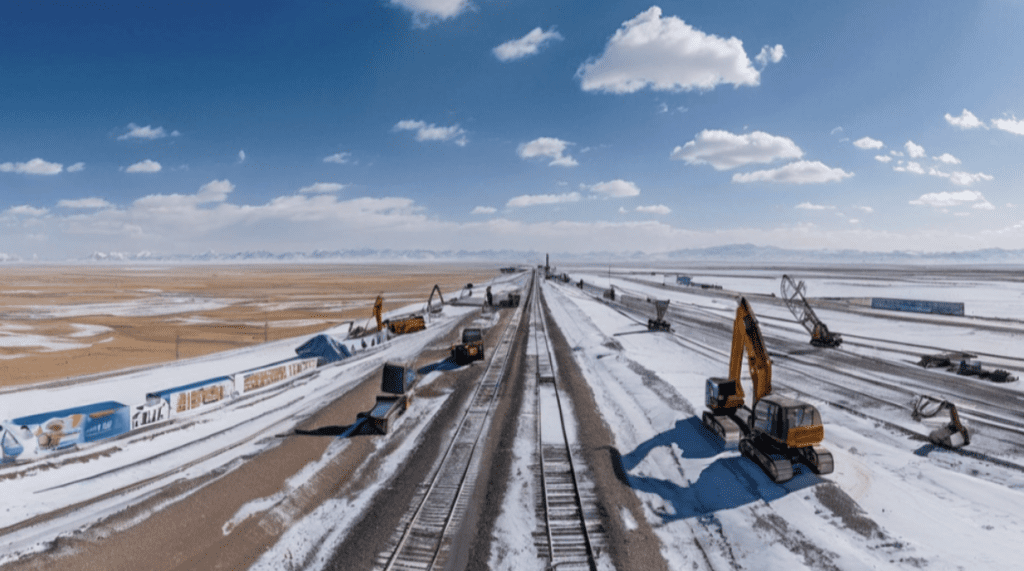
China, leveraging its geographical proximity and economic clout, has been at the forefront of investing in Kazakhstan’s infrastructure to facilitate the extraction and transportation of these minerals. Beijing has poured billions into upgrading Kazakhstan’s railways, ports, and other infrastructure, signaling a robust commitment to securing a steady supply of critical minerals from its western neighbor.
Key Figures and Developments
One of the prominent figures in this mineral rush is Kenges Rakishev, a leading Kazakh entrepreneur with deep ties to the country’s ruling elite. Rakishev has been investing heavily in nickel extraction, recognizing the immense opportunities presented by the global demand for EVs. His ventures are part of a broader strategy to capitalize on Kazakhstan’s mineral wealth, which includes investments in various sectors such as blockchain technology and plant-based foods.
Geopolitical Implications
China’s investments in Kazakhstan are not merely economic but also carry significant geopolitical implications. By securing critical mineral supplies, China is positioning itself as a key player in the global clean energy market. This move also aligns with China’s Belt and Road Initiative, which aims to strengthen economic ties and infrastructure connectivity across Asia and beyond.
More Read

Challenges and Future Prospects
While the investments bring economic benefits, they also pose challenges. There are concerns about environmental impacts and the sustainability of mining practices. Additionally, the geopolitical dynamics in Central Asia, particularly the influence of Russia and the interests of Western nations, add layers of complexity to these dev