Gold just blew past $4,000 per ounce in October 2025, climbing roughly 55% in a single year. That’s not a normal rally, that’s a structural shift driven by something bigger than rate cuts or inflation hedges. Geopolitical fractures are rewiring how the world thinks about money, reserves, and safety, and gold is the primary beneficiary.

The difference between 2026 and previous gold cycles comes down to one word: multipolarity. We’re watching the global order fragment in real time. US-China tensions aren’t cooling. Middle East instability isn’t resolving. Russia’s reserve confiscation by Western powers sent a clear message to every central bank holding dollars: diversify or risk seizure. That’s not speculation, that’s policy response playing out in tonnage.
Central banks bought over 1,000 tonnes of gold annually in recent years. In 2026, forecasts peg continued elevated demand around 755 tonnes, even as the initial panic-buying wave moderates. These aren’t retail speculators, these are sovereigns making long-term allocation decisions based on geopolitical risk assessment.

The De-Dollarization Acceleration
When the US froze Russian dollar-denominated assets, it wasn’t just a sanction, it was a demonstration of financial weaponization. Central banks from China to India to the Gulf states took notes. If your reserves can be locked out with a policy decision, you need an alternative that no single government controls. Gold fits that requirement perfectly.
More Read

J.P. Morgan estimates that if just 0.5% of foreign-held U.S. assets shift into gold, prices could spike significantly higher than current forecasts. That’s not a fringe scenario, it’s a mathematical consequence of diversification trends already in motion. The dollar still dominates global reserves, but its share is eroding incrementally. Every percentage point shift translates into billions flowing into physical bullion.

Trade conflicts between Washington and Beijing compound this. Supply chain fragmentation, tariff escalations, and technology restrictions create persistent uncertainty. Companies and governments alike are building redundancy, which costs money and generates volatility. Gold thrives in that environment because it doesn’t have counterparty risk. You hold it, you own it. No intermediary. No jurisdiction debate.
Price Forecasts: The Bulls vs. The Bears
Analyst targets for year-end 2026 range wildly, reflecting genuine disagreement about how geopolitical risk translates into price action:
More Read

Bull Case:
- UBP projects $5,200 per ounce by Q4 2026
- J.P. Morgan forecasts $5,055 average for Q4, with $5,000 as their target
- MKS Pamp’s Nicky Shiels calls for $5,400 by year-end
- TradingKey’s aggressive scenario puts gold at $6,000 or higher
- One AI-driven model even suggests $10,000 by April 2026 (extreme outlier, but worth noting)
Bear Case:
- Macquarie Group’s Peter Taylor sits at $4,200 for Q4 2026, lower than consensus
- Bears point to speculative overcrowding, potential central bank liquidation under fiscal stress, and the risk of sentiment reversal if geopolitical tensions ease unexpectedly
The split isn’t about gold fundamentals, it’s about whether structural drivers (reserve flows, monetary easing, fiscal deficits) outweigh sentiment risks (profit-taking, dollar strength, de-risking). Both sides have credible arguments. The difference hinges on whether 2026 brings escalation or stabilization.

Monetary Policy Still Matters
Geopolitics drives the headlines, but monetary conditions set the baseline. The Fed is expected to cut rates by roughly 75 basis points through 2026, reducing real interest rates and lowering the opportunity cost of holding non-yielding gold. When Treasury yields compress while inflation persists, gold becomes relatively more attractive.
Fiscal dynamics reinforce this. Advanced economies are running debt-to-GDP ratios that would’ve triggered crises a generation ago. Deficit spending continues despite record debt loads, and bond markets are getting nervous. If confidence in sovereign debt erodes further, reallocation into gold accelerates. This isn’t doomsday talk, it’s what happens when traditional safe assets lose their “safe” label.
Europe faces energy security challenges post-Ukraine. Asia navigates China’s property sector stress and regional territorial disputes. Latin America deals with populist policy swings. Every region has macro fragility that supports gold demand. The synchronization of instability globally is unusual, and that’s what makes 2026 different from past cycles.
What This Means for Mining Juniors
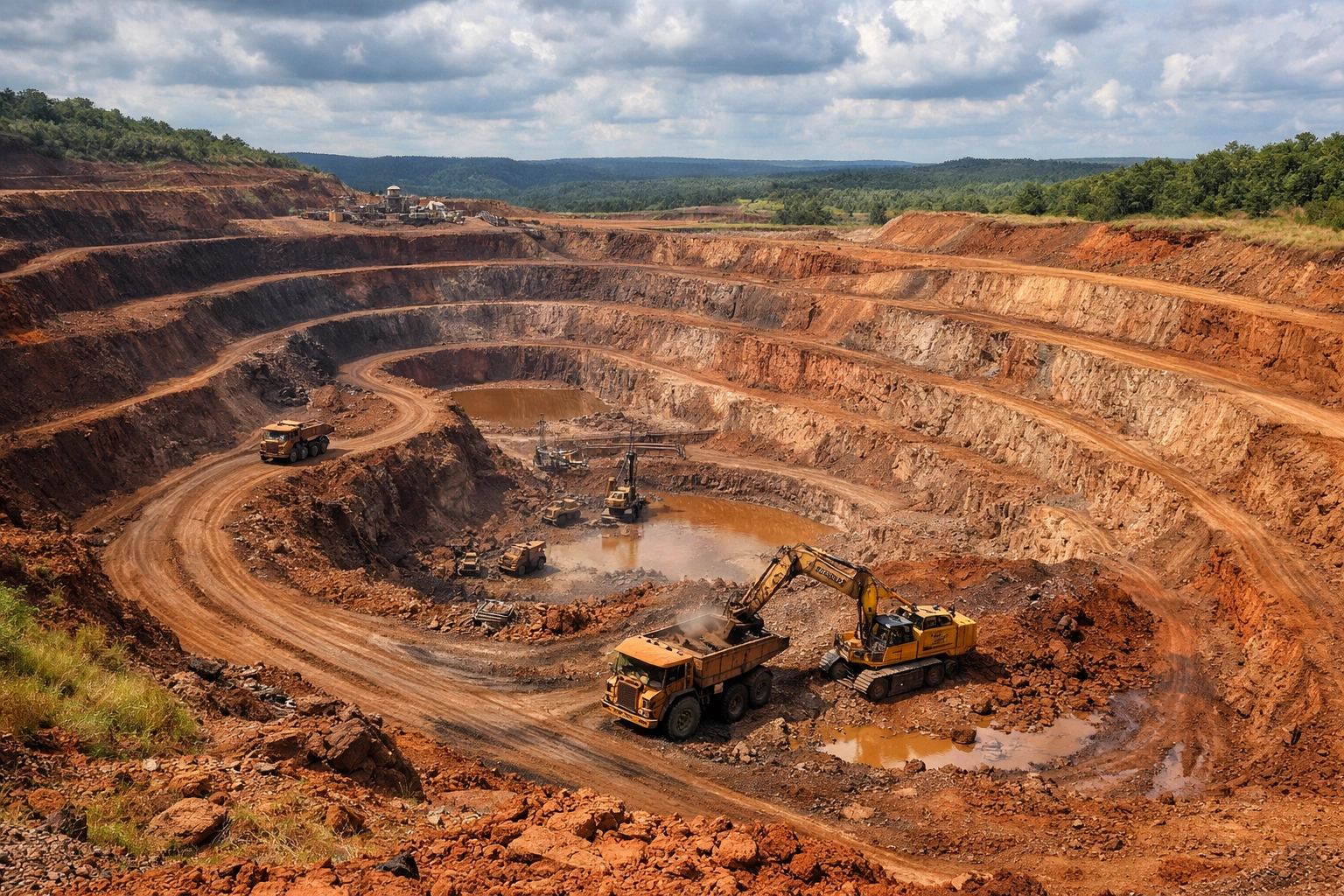
If gold holds above $4,000 and trends toward $5,000-plus, junior miners enter a golden age (pun intended). Projects that were marginal at $1,800 gold become viable at $4,000. Exploration budgets expand. M&A activity heats up as majors hunt for growth through acquisition rather than greenfield development.
But there’s a catch: not all juniors benefit equally. Jurisdiction matters more than ever. If geopolitical risk is driving gold demand, investors will scrutinize where projects sit. A world-class deposit in a conflict zone or governance risk country gets discounted heavily. Permitting delays, nationalization risk, and infrastructure gaps all get amplified when macro volatility rises.
Investors are paying premiums for jurisdictional safety, Canada, Australia, parts of West Africa with stable mining codes. Projects in tier-one locations with resource certainty and permitting momentum will see capital inflows. Speculative plays in frontier regions might get ignored, even with strong geology, because risk appetite for geographic exposure is shrinking.
Financing is also shifting. Royalty and streaming companies have more leverage because they can offer capital without dilution to juniors desperate to advance projects while gold prices justify development. Expect more creative deal structures, offtake agreements, JVs, hybrid financing, as juniors balance the need for funding with the desire to retain upside in a rising gold price environment.
The Binary Debate: Structural or Speculative?
Here’s the uncomfortable truth: gold’s 2025 rally involved significant speculative premium. Exchange-traded funds, futures positioning, and retail buying all contributed to the surge. When sentiment shifts, those flows reverse fast. The question for 2026 is whether physical demand from central banks, jewelry markets, and industrial users can absorb potential speculative selling.
Some analysts warn that gold has become unpredictable, driven as much by momentum and positioning as by fundamentals. That’s not wrong, but it also misses the structural shift. Yes, speculators can trigger volatility. But when sovereigns are making multi-year reserve allocation decisions, that creates a demand floor that didn’t exist in previous cycles.
The bearish scenario involves central banks liquidating reserves to fund fiscal needs, or a sudden dollar rally on hawkish policy action globally, or peace breaking out unexpectedly (unlikely, but possible). If any of those materialize, gold could correct sharply. But the base case remains elevated geopolitical risk persisting through 2026, which supports prices even if speculative froth shakes out.
Monitoring the Right Signals
For investors trying to navigate this, geopolitical developments matter more than technical chart patterns right now. Watch these specifically:
US-China relations: Any escalation in trade restrictions, Taiwan tensions, or tech decoupling accelerates gold demand. De-escalation would pressure prices.
Central bank policy divergence: If major central banks pause easing or tighten unexpectedly, real rates rise and gold suffers. Continued dovish policy supports prices.
Reserve flow data: Monthly central bank purchase reports signal whether institutional demand holds or fades. This is more predictive than retail ETF flows.
Middle East stability: Iranian tensions, Gaza conflict spillover, or Gulf state security concerns all feed safe-haven premiums. Resolution would reduce geopolitical risk premium.
Fiscal stress indicators: Sovereign debt auctions, CDS spreads, and currency volatility in major economies signal whether confidence in traditional safe assets is eroding: which benefits gold.
The gold market in 2026 isn’t just about supply and demand fundamentals. It’s a referendum on global stability, trust in fiat currencies, and the speed of multipolar transition. That makes it both opportunity and risk for mining investors, depending on how well you read the geopolitical tea leaves. The juniors that win are the ones that combine strong geology with jurisdictional safety and smart capital structures. Everything else is speculation dressed as strategy.