By Penny Langford
Ethiopia is positioning itself as a major African mining hub. Allied Gold’s Kurmuk project stands at the center of this ambition. Located in the Benishangul-Gumuz region near the Sudanese border, Kurmuk is a greenfield development. It represents one of the most significant mining investments in Ethiopia’s history.
The project is now at a critical juncture. Allied Gold is pushing toward a mid-2026 production target. Simultaneously, a massive corporate shift is underway. In early 2026, Zijin Gold International announced a C$5.5 billion all-cash acquisition of Allied Gold. This move places Kurmuk within the portfolio of one of the world’s most aggressive mining giants.
For operators and investors, Kurmuk is a case study in infrastructure integration and geopolitical navigation. It combines low-cost power with a massive mineral resource. This analysis explores the construction progress, the strategic Zijin partnership, and the project's path to first gold.

The Zijin Strategic Acquisition
On January 26, 2026, Zijin Gold International signed a definitive agreement to acquire Allied Gold. This transaction is more than a simple exit for Allied. It is a strategic move by Zijin to consolidate its presence in East Africa. Zijin already operates the Bisha zinc-copper mine in Eritrea. Kurmuk creates a powerful regional cluster.

Zijin’s involvement brings a deep balance sheet. The company plans to boost its total gold production to over 100 tonnes per year. Kurmuk is essential to this goal. The project offers a life-of-mine exceeding 15 years. It provides a long-term production base in the Arabian-Nubian Shield.
The deal is expected to close by late May 2026. This timing aligns perfectly with the final stages of Kurmuk’s construction. Zijin will likely inherit a project that is nearly ready for commissioning.

Construction Progress and Timeline
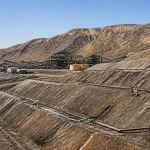
Construction at Kurmuk has moved into high gear. The project involves two main deposits: Dish Mountain and Ashashire. Combined, these will feed a central processing plant with a 6.4 million tonnes per annum (Mtpa) capacity.
As of mid-2026, several key milestones have been reached:
- Civil Works: Most major earthworks and foundations for the processing plant are complete.
- SMPP Mobilization: Structural, mechanical, plate, and piping (SMPP) contractors are currently on-site.
- Mining Operations: Mota-Engil Group, the primary mining contractor, began pre-stripping and ore stockpiling in late 2025.
- Camp Infrastructure: The main operations camp is fully functional, supporting a growing workforce.

The target for first gold remains the third quarter of 2026. While some earlier guidance suggested Q2, the latest SEC filings indicate a Q3 start. This timeline allows for the final integration of the plant and the completion of the regional power line.
Power Line Integration and Infrastructure
Infrastructure is often the biggest hurdle for Ethiopian mining. Allied Gold addressed this through a unique partnership with the Ethiopian government. The government is funding and building a 132kV power line to connect the mine to the national grid.
This arrangement is a double-edged sword for Allied. The company’s ownership of Kurmuk dropped from 100% to 93% once the power infrastructure deal was finalized. However, the operational benefits are significant. Kurmuk will receive power at approximately US$0.04/kWh.
This tariff is exceptionally low. It significantly reduces the all-in sustaining cost (AISC) for the project. Most African gold mines rely on expensive diesel or heavy fuel oil (HFO) generators. Access to cheap, grid-scale power makes Kurmuk one of the lowest-cost large-scale operations in the region. The power line is scheduled for energization ahead of the plant’s commissioning in Q3 2026.
2026 Production Targets and Economics
Kurmuk is designed to be a high-output, low-cost mine. The first four to five years of production are the most lucrative. During this "sweet spot," the mine is expected to produce roughly 290,000 ounces of gold per year.
| Metric | Target Value |
|---|---|
| First Gold | Q3 2026 |
| Initial Annual Production (Years 1-5) | ~290,000 oz Au |
| Steady State Production (LOM) | ~240,000 oz Au |
| AISC (Target) | < US$950/oz |
| Plant Capacity | 6.4 Mtpa |
| Ownership | 93% Allied (Pending Zijin Close) |
The cost profile is the project’s main attraction. An AISC below $950 per ounce provides a massive margin at current gold prices. Even with the dilution to 93%, the project remains a "cash cow" for its owners.

Exploration Upside and Tier-One Potential
Allied Gold and Zijin are not just looking at the current reserve base. They see Kurmuk as the anchor for a Tier-One gold camp. Aggressive exploration is ongoing. The current goal is to grow the mineral resource from 3.1 million ounces to over 5 million ounces.
Drilling in 2025 and 2026 has focused on several prospects:
- Ashashire Extension: Testing depth limits of the current deposit.
- Tsenge and Dul Mountain: Exploring new satellite deposits to feed the central mill.
- Regional Geophysics: Using drone magnetics and IP surveys to identify new targets across the tenement.
If these exploration programs succeed, the mine life could extend well beyond 15 years. This would justify further plant expansions and solidify Ethiopia’s position on the global mining map.
Strategic Risks and Challenges
Despite the positive outlook, Kurmuk faces several risks. The most immediate is the closing of the Zijin acquisition. While described as a "friendly" deal, it requires complex regulatory approvals in both Canada and Ethiopia. Any delay in closing could impact the final commissioning phase.
Geopolitics also play a role. The Benishangul-Gumuz region has seen historical instability. Maintaining local community support is vital. Allied Gold has invested heavily in community relations, but the transition to Zijin ownership will be closely watched.
Finally, ramp-up risks are inherent in any large-scale project. Moving from construction to steady-state 6.4 Mtpa throughput is a technical challenge. The presence of Mota-Engil as the mining contractor mitigates some operational risk, but the plant commissioning phase in late 2026 will be the ultimate test.
The Road to First Gold
The Kurmuk project is a bellwether for Ethiopia’s mining industry. It proves that large-scale, modern mining is possible in the country. The integration of state-funded power and international capital sets a precedent for future developments.
As Zijin takes the reins, the focus will shift from construction to optimization. If Kurmuk hits its 290,000-ounce target in 2027, it will be one of the top-performing assets in Africa. For now, the industry is watching the Q3 2026 commissioning window with high expectations.
For more on regional mining developments, see our analysis on lithium frontier regions and copper supply deficits.