The recently released report titled “Economic Contribution of the Vertically Integrated Australian Aluminium Industry” underscores the substantial role this sector plays in the Australian economy. While highlighting its impressive achievements and potential for growth, the report also raises concerns about vulnerabilities that threaten its sustainability, particularly amid energy transition challenges and supply chain disruptions.

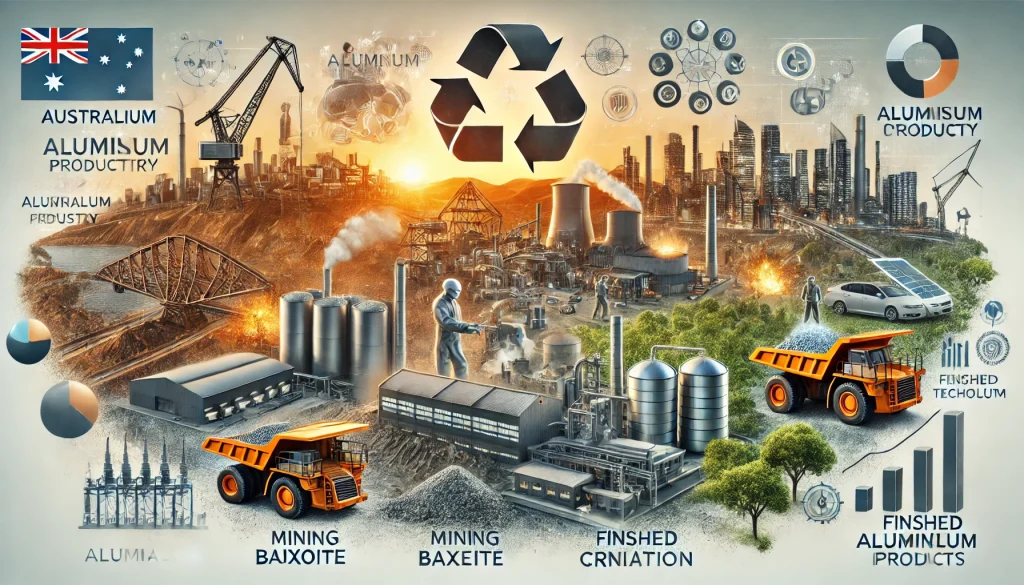
A Complete Mine-to-Market Supply Chain
Australia stands out as one of the few countries globally with a complete mine-to-market aluminium supply chain. According to Marghanita Johnson, chief executive officer of the Australian Aluminium Council, this accomplishment reflects decades of hard work by generations of Australians. However, she warns that this legacy is at risk due to various factors, including energy transition challenges, uncertain environmental approvals, and uneven global competition.
“Australia is one of the very few countries anywhere in the world with a complete mine-to-market aluminium supply chain,” Johnson stated. “It’s a remarkable achievement, but their legacy is now at risk from disruptions caused by the challenges in the energy transition.”
You might be interested in
- Ma’aden pursues merger of aluminium operations with Alba
- Donas, the first woman president of a Brazilian aluminium company, has been appointed!
- First Majestic Expands Its Silver Empire with $970M Acquisition of Gatos Silver
- Indian Miner Vedanta Reports 37% YoY Profit Surge in Q1 2024
Economic Impact
The report reveals that the aluminium industry significantly contributes to the Australian economy, supporting over 20,700 direct jobs and 55,000 indirect jobs, mainly in regional areas. Remarkably, the pay rates in this sector are 60% higher than the national manufacturing average.
Furthermore, the local aluminium industry contributes approximately $18 billion to the Australian economy, with annual export revenues exceeding $15 billion. This economic footprint emphasizes the importance of maintaining a robust aluminium sector, especially as global demand for sustainable aluminium rises.
Vulnerabilities and Risks
Despite its strengths, the sector is particularly vulnerable to disruptions. The report highlights a sobering statistic: the closure of a single bauxite mine in Western Australia could lead to the loss of 10,000 indirect jobs and a staggering $2.7 billion reduction in GDP. Such vulnerabilities underscore the urgent need for proactive measures to safeguard this critical industry.

Calls for Government Action
In light of these challenges, the Australian Aluminium Council has called on the government to implement policies that mitigate risks associated with the aluminium supply chain. Recommendations include:
- Streamlining Environmental Regulations: Simplifying the regulatory framework to facilitate smoother operations and approvals for aluminium-related projects.
- Supporting Decarbonisation Efforts: Investing in initiatives aimed at reducing the carbon footprint of aluminium production, aligning with global sustainability goals.
- Designating Bauxite, Alumina, and Aluminium as Critical Minerals: Recognizing these materials’ strategic importance for the economy and technological advancements.
“Aluminium is vital to Australia’s economy and a critical component of green technologies like solar panels, electric vehicles, and batteries,” Johnson emphasized. “Maintaining strong manufacturing capabilities needs to be a domestic priority.”
The report concludes that with sensible policies and strong cooperation between government and industry, Australia can maintain its position as a global leader in sustainable aluminium production and innovation. The challenges facing the industry are significant, but with strategic actions, the aluminium sector can continue to thrive, contributing to both economic growth and the transition toward greener technologies.