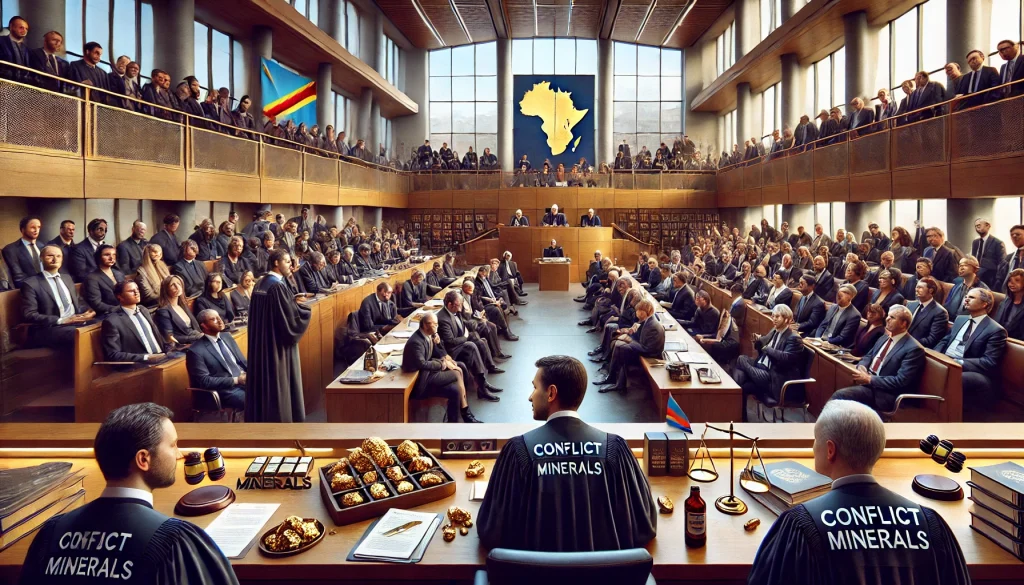
The Democratic Republic of Congo (DRC) has taken the unprecedented step of suing Apple, alleging the tech giant benefits from conflict minerals sourced through illegal mining operations linked to human rights abuses. The lawsuit, filed in French and Belgian courts, accuses Apple of complicity in a system that facilitates armed groups, environmental destruction, and exploitation in the war-torn region. If successful, the case could have sweeping ramifications for global supply chains and corporate accountability.

The Heart of the Allegations Surrounding Conflict Minerals
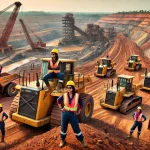
The lawsuit focuses on tin, tantalum, tungsten, and gold—collectively known as “3TG minerals”—critical for manufacturing smartphones and other electronics. The DRC is rich in these resources but remains plagued by illegal mining, much of it controlled by armed factions. These groups have been implicated in massacres, sexual violence, and looting, according to UN reports.
Belgian lawyer Christophe Marchand, representing the DRC, stated that the case aims to expose how global supply chains for consumer electronics are tainted by severe human rights violations. “The goal is to show consumers that the product they have in their hands is contaminated by international crimes,” Marchand told DW.
The DRC’s complaint specifically accuses Apple’s French and Belgian subsidiaries of smuggling raw materials, particularly conflict minerals, through Rwanda and engaging in “misleading business practices” to convince consumers their products are ethically sourced.
Related News
- Coal Industry Modernization Initiative: Alberta’s New Coal Mining Rules Draw Praise and Scrutiny
- Mining Trends in 2024: Transformative Forces Shaping the Industry
- U.S. Graphite Mining Industry Pushes for 920% Tariff on Chinese Competitors
- Low-Carbon Shotcrete Set to Debut at Outokumpu Kemi Mine
Apple’s Defense and the Recycled Resources Debate
Apple has strongly denied the allegations, asserting that it holds suppliers to the “highest standards in the industry.” In a statement, the company emphasized its proactive measures, including directing suppliers to suspend sourcing conflict minerals from the DRC and Rwanda earlier this year due to escalating conflict. Apple’s 2023 Conflict Minerals Report claimed there was “no reasonable basis” to conclude its supply chains had financed armed groups.
Apple also highlighted its shift toward using recycled materials. The company claims that 99% of the tungsten and 100% of the cobalt in its iPhone 16 product line come from recycled sources. Additionally, Apple says it funds initiatives to improve the traceability of raw materials and supports regional projects aimed at aiding communities affected by mining-related violence.

Despite these measures, critics remain unconvinced. NGOs like African Natural Resources Watch (AFREWATCH) argue that smuggling networks continue to funnel DRC-mined gold and other minerals, classified as conflict minerals, through neighboring countries, such as Rwanda and Uganda, before reaching refiners that supply major corporations.
The Role of Rwanda, Uganda, and Conflict Minerals in Regional Dynamics
Rwanda and Uganda have repeatedly denied involvement in smuggling conflict minerals from the DRC. However, evidence suggests otherwise. According to AFREWATCH’s Emmanuel Umpula, refineries in these countries process minerals illicitly extracted from DRC mines. Traders in Bukavu, a Congolese border city, corroborate claims that gold often ends up in Rwanda before being sold on international markets.
“The illegal extraction of raw materials in the east of the DRC is one of the reasons why the war continues,” Umpula explained. He characterized the practice as a “predatory system” that perpetuates conflict for profit.
Local Voices and the Quest for Accountability Over Conflict Minerals
The lawsuit has sparked hope among some Congolese activists and communities. Hypocrate Marume of the South Kivu Civil Society Advisory Committee described the case as a potential turning point. “This is a relief,” Marume said. “We are calling on civil society organizations to support this fight for reparations for the damage caused by these groups in collusion with rebels.”
However, skepticism persists. A South Kivu-based environmental activist, speaking anonymously, argued that the DRC government shares blame for failing to regulate mining activities. “Authorities are issuing licenses to companies, yet they cannot protect their own inspectors on the ground,” the activist lamented.
Legal and Global Implications of Conflict Minerals
The French and Belgian courts were chosen for their robust laws on corporate accountability. The DRC hopes the lawsuit will set a legal precedent, forcing multinational corporations to scrutinize their supply chains and reduce dependency on conflict minerals. Similar cases in the United States have struggled; earlier this year, a federal court dismissed claims that Apple, Google, Tesla, Dell, and Microsoft had indirectly benefited from child labor in DRC cobalt mines.
Experts believe the DRC’s case could resonate more powerfully in Europe. “It has been proved beyond reasonable doubt that Apple’s suppliers source raw materials from conflict areas,” said Marchand, adding, “The next step is to prove that Apple knows this.”
The DRC’s lawsuit against Apple underscores the complex and often hidden costs of technological innovation. While the tech giant asserts its commitment to ethical sourcing, activists and legal experts argue that more transparency is needed in addressing conflict minerals. A favorable ruling for the DRC could not only reshape Apple’s supply chain practices but also push other global corporations toward greater accountability in sourcing raw materials.
As the case unfolds, it will test the ability of international law to address corporate complicity in human rights abuses—and whether consumer demands for ethical products can truly reshape the market.