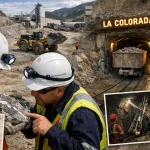
Everyone talks about copper supply as a geological problem. It’s not. It’s an information problem.

The industry is obsessed with finding the next massive deposit, but the reality is grimmer: we are leaving millions of tons of metal on the table because our mines are effectively blind. Codelco, the world’s largest copper producer, just admitted as much by signing a high-stakes Memorandum of Understanding (MoU) with Microsoft.
This isn’t a generic software license renewal. This is the integration of “Big Tech” into “Big Copper” at a molecular level.
We are looking at an 18-month framework designed to overhaul how the Chilean state-owned giant handles data, automation, and cybersecurity. For an industry that often moves at the speed of shifting tectonic plates, this timeline is a sprint. It’s a recognition that by 2026, the traditional ways of digging dirt are no longer economically viable.
The 18-Month Sprint: Data as the New Ore
The agreement centers on a joint governance structure. Microsoft isn’t just a vendor here; they are becoming a strategic architect of Codelco’s operational future. The focus areas are precise: intensive data use, advanced analytics, and autonomous operations.
More Read

Here is the kicker: Codelco produces roughly 10% of the world’s copper. When they decide to “digitize,” the entire global supply chain feels the ripple.

The 18-month framework is a tactical choice. Codelco is currently grappling with aging mines and declining ore grades. To maintain their position, they have to extract more value from less material. They need a “digital brain” to process the petabytes of data generated by their sensors, trucks, and mills: data that, until now, has largely been ignored or siloed.

More Read

Why Microsoft? The 27-Year Courtship
This partnership didn’t happen overnight. Codelco and Microsoft have been in the same room for over 27 years. But the 2026 landscape is different. The “shiny AI revolution” isn’t just a buzzword for Codelco’s CEO Rubén Alvarado; it’s a survival mechanism.
By leveraging Microsoft’s Azure cloud and AI capabilities, Codelco is looking to create a “Digital Twin” of its operations. Imagine being able to simulate a blast or a haulage route in a virtual environment before a single rock is moved. That’s the goal.
The strategic calculus here isn’t subtle:
- Predictive Maintenance: Knowing a mill will fail three days before it does.
- Process Automation: Removing the human element from high-risk, low-efficiency tasks.
- Dynamic Optimization: Adjusting processing parameters in real-time based on ore chemistry.
If you want to understand why this matters for the broader market, look at the copper price forecast 2026. We are heading toward a massive deficit. The only way to bridge that gap isn’t just new mines: it’s making existing mines, like Codelco’s massive Chuquicamata or El Teniente, smarter.
The Skillings Legacy: From Iron Ore to AI
At Skillings, we’ve been tracking the evolution of mining since the days when “automation” meant a better pulley system in the Mesabi Range. We’ve seen transitions from steam to diesel, and from manual labor to hydraulics.
This move by Codelco represents the next Great Pivot.
Historically, mining companies were incredibly protective of their data. They treated it like a trade secret. But as complexity grows, no mining company has the internal R&D budget to out-innovate a trillion-dollar tech giant like Microsoft. This MoU signals an end to the “build it ourselves” era of mining tech.
The integration of Big Tech into the pit is the industry’s way of admitting that geology is no longer the primary hurdle: complexity is.
Safety, Sustainability, and the ESG Mandate
Tito Arciniega, President of Microsoft Latin America, was quick to point out that AI isn’t just about squeezing more copper out of the ground. It’s about keeping miners alive.
Autonomous operations are the ultimate safety play. If you can move a worker from the face of an underground mine to a control room in Santiago, you’ve fundamentally changed the risk profile of the company.
Furthermore, the environmental pressure on Codelco is immense. Mining is energy-intensive. AI can optimize energy consumption in real-time, reducing the carbon footprint of every pound of copper produced. This is crucial as mining ESG reporting in 2026 becomes a mandatory hurdle for institutional investors.
But let’s be honest: the primary driver is productivity.
In a world where battery metals are rebounding, the demand for “green” copper: copper produced with high ESG standards and low carbon intensity: is fetching a premium. Codelco knows this. If they can’t prove their sustainability through data, they lose their market edge.

The Cybersecurity Elephant in the Room
There is a dark side to this digital transformation that most corporate press releases gloss over. When you connect a 100-year-old mine to the cloud, you open a back door for every threat actor on the planet.
Codelco is a state-owned asset. It is the piggy bank of the Chilean government. A cyber-attack that shuts down El Teniente isn’t just a corporate headache; it’s a national security crisis.
The MoU specifically mentions strengthening cybersecurity. This is not a rounding error. As we’ve seen in other sectors, the more autonomous a system becomes, the more vulnerable it is to digital sabotage. Microsoft’s role here is as much about “defense” as it is about “offense.”
Training the Workforce: The Human Variable
You can’t just drop an AI into a mine and expect it to work. You need a workforce that can speak the language.
The Codelco-Microsoft agreement includes training programs for workers. This is where the rubber meets the road. Convincing a veteran miner that an algorithm knows more about the rock than he does is a tall order.
The “digital brain” only works if the “boots on the ground” know how to use it. If Codelco fails to upskill its workforce during this 18-month window, they’ll end up with a very expensive dashboard that nobody looks at.
2026: The Inflection Point
Why is this happening now? Because the clock is ticking.
By 2026, the supply-demand gap for copper is expected to widen significantly. While companies like Rio Tinto are doubling down on lithium, copper remains the bedrock of the energy transition. You can’t build an EV or a wind turbine without it.
Codelco’s production has been flagging. They have faced delays in their “structural projects”: massive underground expansions meant to replace depleting open pits. These projects are late and over budget. AI is the Hail Mary.
If this partnership works, Codelco sets the blueprint for the rest of the industry. If it fails, it serves as a warning that even the most advanced software can’t fix a fundamental lack of operational discipline.
The Bottom Line
The Codelco-Microsoft MoU is a recognition that the mining industry has reached a point of diminishing returns with traditional methods.
We are moving into an era of “Precision Mining.” Every liter of water, every kilowatt of power, and every ton of waste must be accounted for and optimized.
Codelco is choosing to integrate Microsoft into its nervous system to survive the 2026 landscape. It’s a bold move, but in an industry where ore grades are falling and costs are rising, “business as usual” is a death sentence.
The 18-month clock has started. The industry is watching.
For more updates on how technology is reshaping the mining landscape, keep an eye on our latest reports at Skillings.net.

Key Data Points to Watch:
| Factor | 2025 Status | 2026 Target |
|---|---|---|
| Data Utilization | <15% of operational data used | >60% of data integrated into AI |
| Autonomous Haulage | Partial implementation | Full fleet integration at key sites |
| Cybersecurity Spend | Standard corporate IT | Integrated operational tech (OT) defense |
| Workforce Training | Pilot groups | 100% of technical staff upskilled |
The future of copper isn’t just in the ground. It’s in the cloud. Codelco and Microsoft are betting the farm on it.