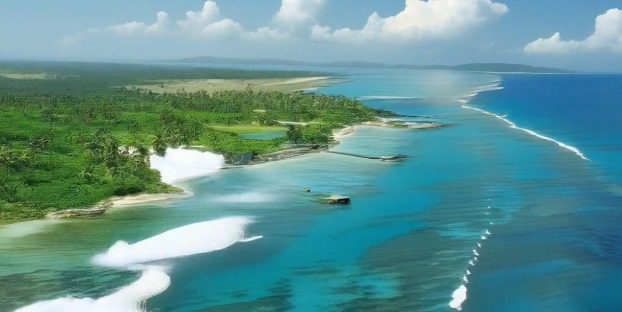
Geopolitical tension has emerged in the Indian Ocean as India contests China-backed Sri Lanka for mining rights in the area. The core of this disagreement revolves around the valuable cobalt reserves in the Indian Ocean Region (IOR), which are crucial for advanced industries and the production of electric car batteries.

India’s claim for mining rights in the IOR demonstrates its strategic intention to oppose China’s expanding influence in the area. With the backing of Chinese investments and military infrastructure, Sri Lanka has established itself as a crucial participant in this developing conflict. The island nation has given China considerable autonomy in developing its ports and infrastructure, including the contentious Hambantota Port, which China currently oversees through a lease deal lasting 99 years.
Cobalt war over Indian Ocean Region
The intensification of this “Cobalt War” carries substantial consequences for the region’s stability and the functioning of global supply lines. India’s decision is a component of a wider plan to strengthen its capacities in the marine domain and safeguard its access to resources. This approach responds to China’s “String of Pearls” policy, which seeks to create a series of Chinese military and commercial installations throughout the Indian Ocean Region to safeguard its sea routes and assert its regional influence.
Related news
- Strengthening UK-Zimbabwe Trade Relations: A Focus on Critical Minerals
- Manganese Market Sees Surge in Prices Amid Supply Disruptions
- Loyal Lithium Raises A$3.3 Million to Advance Trieste Lithium Project
- North American Graphite Miners Push for Tariffs on China-Sourced EV Material
The geopolitical significance of the Indian Ocean cannot be exaggerated. The region plays a crucial role in facilitating global trade, and having authority over its resources, such as cobalt, has the potential to alter the distribution of economic influence. India and China compete for influence, and countries like the United States and Japan, who have interests in the region, keenly observe the situation. This could result in a wider international response.