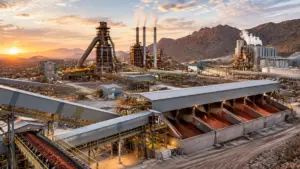
The commodities market continues to experience notable fluctuations as demand and supply dynamics shift rapidly in key metals like copper and lithium—critical components for the global green energy transition and technology sectors.

Copper: Rising Demand Meets Supply Constraints
Copper prices have surged 4.3% over the past week, reaching $9,850 per metric ton, fueled by increased manufacturing activity in Asia and ongoing infrastructure projects in North America. However, supply chain disruptions, including labor strikes at major South American mines and export restrictions from certain countries, have tightened availability.

Lithium: Price Pressure From Battery Makers
Lithium prices remain under pressure, falling 2.1% to $21,400 per metric ton after several new lithium mining projects announced expansions expected to boost supply in 2026. Despite the slight dip, long-term demand from electric vehicle battery manufacturers keeps the market bullish.

Other Critical Metals
- Nickel prices remain stable at $26,500 per metric ton amid balanced supply and demand.
- Cobalt shows a moderate gain of 1.7% due to tighter supply from the Democratic Republic of Congo.
Related News
- Unlocking Africa’s Mineral Treasure: Navigating Challenges and Opportunities in the Critical Minerals Landscape
- Geologists Uncover World’s Largest Iron Ore Deposit in Western Australia
- Trump’s Tariffs on Canada, Mexico, and China Disrupt Mining and Mineral Trade, Sparking Global Concerns
- How One Cyclone Could Send Shockwaves Through the Global Iron Ore Market
Market Outlook for Copper, Lithium, and Critical Metals — June 2025
Copper:
The outlook remains positive but cautiously optimistic. Copper’s price surge is driven by sustained demand from infrastructure investments globally, especially in renewable energy projects and electric vehicle (EV) manufacturing. However, supply constraints from labor disruptions and geopolitical tensions could limit availability, keeping prices elevated. Analysts expect copper to maintain strong demand through 2025, but volatility may continue due to macroeconomic uncertainty and potential shifts in trade policies.
Lithium:
Lithium faces a short-term price correction as new mining projects and expansions come online, increasing supply. However, the long-term fundamentals remain bullish given the accelerating adoption of EVs and energy storage solutions worldwide. Battery manufacturers are expanding capacity aggressively, signaling continued robust lithium demand through the decade. Price stabilization is expected after 2025, with gradual upward pressure resuming as supply-demand balance tightens.

Other Critical Metals:

- Nickel remains steady due to stable demand from stainless steel and battery sectors, though environmental regulations may impact future supply.
- Cobalt prices may rise moderately as sourcing from the Democratic Republic of Congo tightens and manufacturers seek ethical supply chains, boosting demand for responsibly sourced materials.
Geopolitical & Economic Factors:
Global inflation rates, currency fluctuations, and trade tensions (especially between major economies like the U.S. and China) will influence commodity prices and investment flows. Policies aimed at accelerating green energy transitions will underpin demand but could face short-term disruptions from regulatory or supply chain challenges.
The critical metals market will likely remain dynamic with a bullish longer-term trajectory, driven by the green transition and tech demand. Investors and industry stakeholders should prepare for short-term price volatility while capitalizing on growth opportunities in sustainable mining and battery materials.